Shyala Village in Manaslu Region
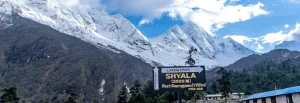
Shyala Village in Manaslu Region | Culture, Views & Manaslu Circuit Trek Shyala Village, located at an altitude of about...
Read More
Manaslu Local Experts
Book your travels
+977 9841619019
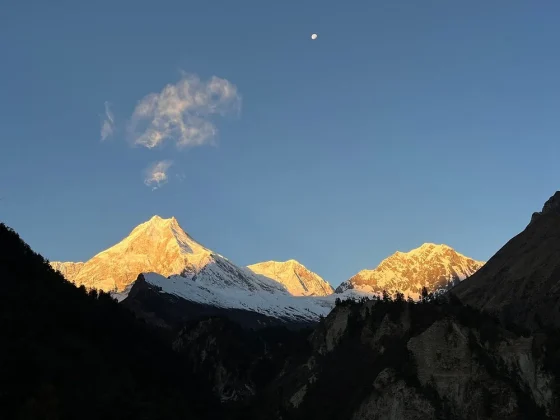
The Manaslu Region is not only a high altitude trekking destination, it is a living cultural landscape where ancient villages, sacred monasteries, dramatic mountain terrain, and Himalayan traditions exist in harmony. Hidden between the Annapurna and Ganesh Himal ranges, this region together with the deeply spiritual Tsum Valley offers one of Nepal’s most authentic and less traveled Himalayan experiences.
This page serves as a comprehensive guide to the true treasures of the Manaslu Region. Here, we bring together every important village, monastery, campsite, and sacred place, helping trekkers, pilgrims, and explorers understand the cultural and spiritual depth of the journey not just the trail itself.
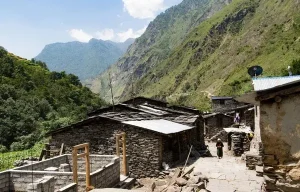
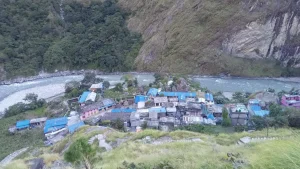
The villages of Manaslu are the heart of the region. Each settlement reflects centuries-old Tibetan-influenced culture, stone architecture, prayer walls, mani stones, and a deep connection to the land.
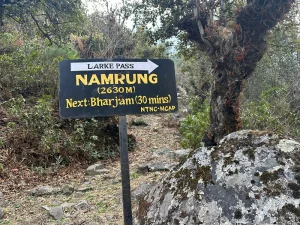
From lower-elevation villages such as Machhakhola, Jagat, Deng, and Namrung, where Gurung and mixed Himalayan communities live, to high-altitude settlements like Lho and Samagaun, the lifestyle gradually transforms into a distinctly Tibetan way of life.
In the sacred Tsum Valley, villages such as Chumling, Chhokang Paro, Nile, and Chekampar remain largely untouched by modern development. These communities are known for their strong Buddhist values, warm hospitality, and devotion to non-violence Tsum Valley is still regarded as a Beyul (hidden sacred valley).
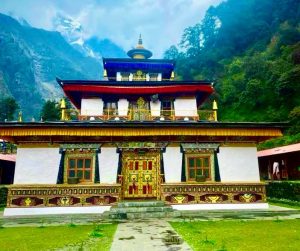
The Manaslu Region is rich in ancient Buddhist heritage. Monasteries are not just religious structures, they are spiritual centers that guide daily life, seasonal festivals, and community harmony.
Iconic monasteries such as Ribung Gompa (Lho Monastery) stand proudly beneath Mount Manaslu, offering breathtaking views and deep spiritual atmosphere. In Samagaun, monasteries and chortens reflect centuries of Himalayan Buddhist practice.
Tsum Valley is especially sacred, home to renowned gompas such as Mu Gompa and Rachen Gompa, which are closely associated with Tibetan Buddhism and Padmasambhava. These monasteries have been places of meditation, learning, and retreat for monks and nuns for generations.
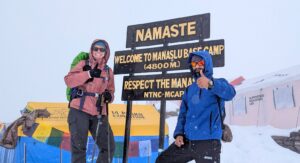
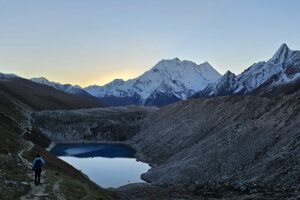
Beyond villages and monasteries, the Manaslu journey is marked by meaningful campsites and resting places. Locations like Dharamsala (Larkya Phedi) are not just trekking stops, but important transition points where trekkers prepare physically and mentally to cross the high Himalayan passes.
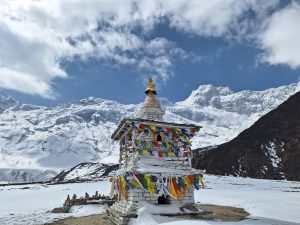
Sacred mani walls, prayer flags, chortens, and natural landmarks are scattered throughout the region, silently blessing travelers as they pass. These places remind visitors that the Manaslu trek is as much a spiritual journey as it is a physical one.
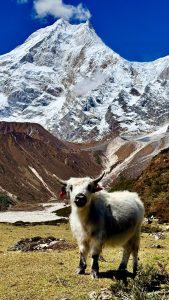
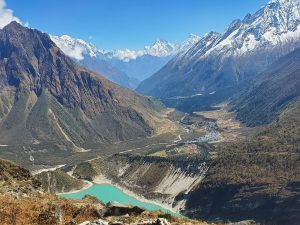
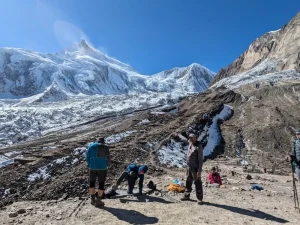
Mount Manaslu itself is revered as a sacred mountain. The surrounding landscape, glaciers, alpine meadows, rivers, and forests are deeply respected by local communities. Many areas follow traditional conservation practices influenced by Buddhist beliefs, including compassion toward all living beings.
Festivals, seasonal rituals, monastery ceremonies, and daily prayer routines continue to shape life in the region. Visitors who walk mindfully through these lands gain a deeper appreciation of the Himalayan way of life.
The treasures of the Manaslu Region are not locked in museums, they are alive in its villages, monasteries, sacred trails, and people. By exploring these places with respect and awareness, travelers become part of a living heritage that has survived in balance with nature for centuries.
This guide page connects you to detailed information about each village, monastery, and sacred site in the Manaslu and Tsum Valley region. Whether you are planning a trek, a cultural journey, or a spiritual exploration, these treasures reveal the true soul of Manaslu.
Explore the Manaslu Region with local knowledge, cultural respect, and responsible guiding, where every step tells a story.


Get permit updates, weather windows, and early-season departures. No spam.