
Dharmashala – The Last Stop Before Larkya La Pass
Dharmashala, also pronounce as “Dharamsala” known as Larkya Phedi, is a high altitude village situated at approximately 4,460 meters/14,632 feet along the Manaslu Circuit Trek. It serves as the final stop before the challenging Larkya La Pass, making it a crucial resting and acclimatization point for trekkers. The village is located in a scenic valley surrounded by towering peaks, glaciers, and rugged terrains, offering breathtaking views that highlight the raw beauty of the high Himalayas.
The village is small and sparsely populated, with basic lodges and tea houses providing essential amenities for trekkers. Its location at the edge of the glacial region makes it an ideal place to prepare for the demanding ascent to Larkya La Pass at 5,160 meters. Many trekkers spend a night here to rest, acclimatize, and ensure they are physically ready for the high-altitude challenge ahead.
The natural environment around Dhramashala is striking, with snow capped peaks visible from almost every point in the village. Small streams and glacial melt water run through the valley, creating a serene atmosphere. The surrounding landscape includes rocky slopes, scattered patches of alpine vegetation, and distant glaciers, giving trekkers a glimpse into the harsh yet beautiful high-mountain ecosystem.
Table of Contents
Dharamshala also offers a glimpse of Tibetan Buddhist culture, with prayer flags fluttering in the wind, mani walls, and small chortens scattered along the trails. Trekkers often encounter local guides and herders who live in temporary shelters during the trekking season.
The village is not just a stop for rest; it is a place where trekkers can reflect on the journey so far, enjoy panoramic mountain views, and experience the high-altitude Himalayan lifestyle. Its strategic location, stunning scenery, and cultural elements make Dharamshala / Larkya Phedi an unforgettable and essential part of the Manaslu Circuit Trek.
Altitude and Location of Dharmashala
Dharamshala is located in the Gorkha District of Nepal, within the Manaslu trekking region. The settlement is situated at an altitude of approximately 2,160 meters (7,087 feet) above sea level. It lies along the Budhi Gandaki River valley, between the villages of Namrung and Bimahang, making it a common stop for trekkers moving through the central Manaslu trail.
The village is surrounded by forested hills, terraced fields, and rugged mountain landscapes, offering panoramic views of the surrounding Himalayan peaks. Its location provides trekkers with both a resting point and an opportunity to experience the traditional Tibetan-Buddhist influenced culture of the region. Being part of the Manaslu Restricted Area, Dharamshala requires trekkers to have the Manaslu Restricted Area Permit (RAP) and Manaslu Conservation Area Permit (MCAP) to access the area legally.
Staying Comfortable in Dharmashala with Manaslu Weather
Staying in Dharamshala along the Manaslu trek is a cozy experience, but weather conditions can greatly affect comfort. At lower altitudes, days are generally warm, around 18 to 25°C, with nights cooling to 10 to 15°C. As trekkers climb higher, temperatures drop, especially early in the morning and at night, ranging from 5 to 12°C, and sometimes nearing 0°C at higher villages.
During the monsoon season from June to September, heavy rain can make trails muddy and Dharamshala feel damp or humid. Trekking in these months requires waterproof gear, warm layers, and quick drying clothing. In contrast, Autumn (September to November) and spring (March to May) bring clear skies, moderate temperatures, and sunny days, making Dharamshala stays more comfortable. Daytime temperatures are around 15 to 20°C, with nights cooling to 5 to 10°C.
Where to Rest in the Manaslu Circuit trek?
The Manaslu Circuit Trek passes through remote villages and valleys, making Dharmashala an essential part of the journey. These simple rest houses are scattered along the trail, providing trekkers with a safe place to sleep, eat, and recover after a long day on rugged paths.
Most Dharamshala are modest, offering basic bedding, shared bathrooms, and a warm meal, but their charm lies in their authentic mountain atmosphere. Staying here allows trekkers to interact with local hosts, learn about traditional practices, and witness daily Himalayan life up close.
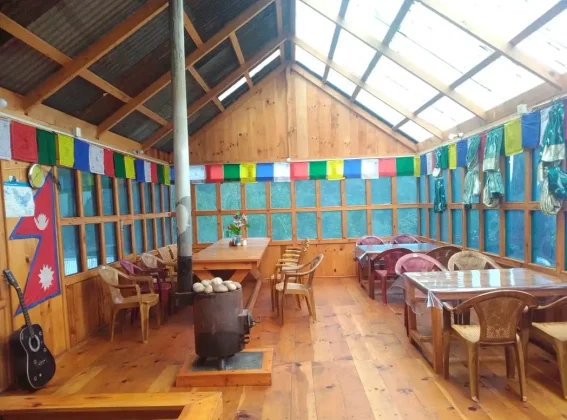
The Dharamshala also act as way points for planning the next stage of the trek, offering information on trail conditions, weather, and nearby villages. Many are strategically located near scenic spots, rivers, or monasteries, giving trekkers the chance to rest and enjoy the views at the same time.
Dharmashala in Himalayan Villages as a Cultural Stop on the Trek
While trekking through the Himalayan villages of the Manaslu region, Dharmashala serve as more than just resting points. These simple lodges provide trekkers with a place to sleep, eat, and recharge, but they also offer a window into the local culture. Villagers often gather at Dharamshala for daily meals, socializing, and small religious rituals, making them a central part of community life.
Staying in a Dharmashala allows trekkers to observe traditional routines, from farming activities to cooking over wood fired stoves. Many Dharamshala also host local festivals or ceremonies, giving visitors the chance to witness Tibetan Buddhist customs in a genuine, unhurried setting. The lodges are modest, usually with shared bathrooms and simple bedding, but the experience is enhanced by the warmth and hospitality of the hosts.
For trekkers, each Dharmashala stop becomes a cultural encounter, allowing them to connect with the people and understand life in a remote Himalayan valley. These stays make the Manaslu trek not only a journey through mountains but also a journey through tradition, community, and local heritage.
Manaslu Trekking Essentials with Staying in Local Dharmashala
For anyone trekking the Manaslu Circuit, knowing about local Dharmashala is an important part of preparation. These lodges provide essential rest, meals, and shelter along remote stretches of the trail where modern accommodations are rare. Understanding what to expect at each Dharmashala helps trekkers plan their days and pack appropriately.
Most Dharmashala offer simple rooms with mattresses, blankets, and shared bathrooms, along with home-cooked meals. Trekkers can enjoy hearty dal bhat or noodles, often made from locally grown ingredients. Staying in these lodges not only restores energy but also offers insight into mountain life, as villagers often run and manage these places themselves.
Local Dharmashala can also serve as information hubs, where trekkers can ask about trail conditions, upcoming village stops, and weather. Planning overnight stays here ensures a smoother and more comfortable trekking experience. Beyond practicality, spending time in a Dharmashala allows travelers to connect with the Himalayan culture, witness traditional practices, and enjoy the quiet charm of life in the Manaslu region.
Discovering Local Hospitality Through Manaslu Dharmashala
One of the most memorable parts of trekking the Manaslu region is experiencing the warmth and hospitality of local dharamsala. These lodges are usually run by villagers who welcome trekkers with simple meals, a cozy place to sleep, and friendly conversation. Staying here allows travelers to connect directly with the people who live in these remote Himalayan valleys.
Inside, Dharamsala are modest, with basic bedding, shared bathrooms, and often a communal dining area. Despite the simplicity, the care taken by hosts makes the stay comfortable and personal. Guests often have the chance to observe daily village life, share stories, and learn about local traditions, from cooking practices to farming routines.
These experiences go beyond mere accommodation. The human connection, generosity, and genuine hospitality found in Dharamsala leave a lasting impression on trekkers. Every stop becomes an opportunity to understand the culture and lifestyle of the upper Manaslu region, making the trek not only an adventure through mountains but also a journey into the lives of its people.
From Villages to Valleys with Trekking and Dharmashala Stays
The Manaslu Circuit Trek takes trekkers through picturesque valleys and remote villages, and dharamsala play a key role in this journey. As you move from one village to the next, these simple lodges provide rest, warmth, and a chance to refuel, making the trek more manageable and enjoyable.
Each dharamsala has its own character, reflecting the local culture and way of life. While the rooms are modest, with basic bedding and shared bathrooms, the communal areas often allow trekkers to sit together, share stories, and interact with villagers. Many dharamsala are located near scenic spots, rivers, or monasteries, offering opportunities to enjoy the natural beauty of the Manaslu region while taking a break.
Stopping at these lodges also offers a glimpse into traditional village life, from cooking meals over wood stoves to tending animals and working in the fields. By staying in dharamsala, trekkers not only rest their bodies but also connect with the culture and people of the Himalayas, making each stop an essential part of the overall trekking experience.
Dharmashala and Tea Houses as Mountain Rest Stops in Manaslu
Along the Manaslu trekking route, both Dharamsala and tea houses serve as important rest stops for trekkers. While tea houses often cater specifically to travelers with meals and lodging, Dharamsala offer a more local and traditional experience, giving visitors insight into the daily lives of Himalayan villagers.
These lodges and stops are usually modest but clean, with simple bedding, shared bathrooms, and warm meals made from locally sourced ingredients. Staying here allows trekkers to pause, recharge, and enjoy the surrounding scenery, whether it’s terraced fields, flowing rivers, or forested hillsides.
The communal spaces in dharamsala and tea houses encourage social interaction. Trekkers can meet fellow hikers, share stories, and connect with local hosts who are always ready to offer guidance or information about the trail. These stops also provide a glimpse into cultural practices, such as daily cooking, farming, and rituals observed by villagers.
By using dharamsala and tea houses strategically, trekkers can maintain energy, enjoy comfort, and experience local culture while navigating the remote and breathtaking landscapes of the Manaslu region.
How to Reach Dharmashala / Larke Phedi
To reach Dharamsala, also known as Larkya Phedi, you must follow the standard Manaslu Circuit trekking route. Most trekkers arrive here after spending the previous night in Samdo.
From Samdo, the trail gradually climbs upward along rocky paths and open valleys. You will walk beside the Budhi Gandaki for a short distance and then ascend toward the base of the Larkya Pass. The walk is steady and not very steep, but the altitude makes it more challenging. The route is marked and easy to follow, with beautiful views of snow covered peaks, dry landscapes, and glaciers.
Along the way, you pass through open alpine terrain with no settlements. After a gradual uphill walk of around 3 to 4 hours, you reach Dharamsala/Larkya Phedi. This point serves as the last stop before crossing the Larkya La Pass (5,160m) the next morning.


