
Sirdibas Village Manaslu: Culture, Trails, and the Start of Upper Manaslu
Sirdibas Villag is a beautiful village in the Gorkha district of Nepal. It is one of the main starting points for trekkers going into the Manaslu region. The village is located at about 1,440 meters (4,724 ft) above sea level. Surrounded by green forests, terraced fields, and small Gurung and Tamang villages, Sirdibas gives travelers a peaceful and scenic introduction to the Himalayan mountains.
The village is easy to reach by road from Dhading Besi or Kathmandu, making it a convenient place to start the Manaslu Circuit Trek. From Sirdibas, trekkers follow trails along the Budhi Gandaki River. The path passes through small villages, forests, and suspension bridges. The trail slowly goes uphill toward higher villages like Jagat and Deng. This makes Sirdibas a good place to rest and get ready for the higher altitude trekking days ahead.
Table of Contents
Sirdibas Villag is more than just a place to pass through. The village gives visitors a chance to see local life and culture. Tea houses and lodges welcome travelers with simple meals and a comfortable place to rest. Here, trekkers can watch local people farming, weaving, and doing daily work. The village also celebrates festivals and traditions, which travelers can see and enjoy during their stay.
Nature lovers will enjoy the surroundings of Sirdibas Villag. The village is near forests, rivers, and hills. Visitors can take walks, see birds and small animals, and take many photographs of the beautiful scenery. From here, trekkers can also see the first views of the high peaks of the Manaslu region, giving a glimpse of the adventure ahead. The quiet and calm atmosphere of the village makes it a great place to relax and enjoy the mountains.
Altitude and Location of Sirdibas
Sirdibas Villag lies at an altitude of about 1,430 meters (4,691 feet), making it one of the lower elevation villages in the Manaslu trekking route. This height is comfortable for most trekkers, and it also allows the village to stay green and pleasant throughout much of the year. The altitude is low enough to offer warm weather but still high enough to give visitors the feeling of entering the Himalayan region.
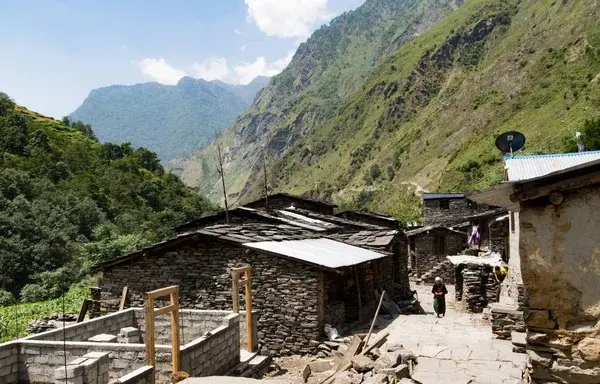
Sirdibas is found in the northern part of Gorkha District, along the main trail that follows the Budhi Gandaki River. As trekkers move from Jagat toward Philim, Sirdibas appears as a calm stop surrounded by terraced fields and small farming houses. Its location is meaningful because it marks the point where the landscape begins to change from lower hill villages to more traditional mountain settlements.
The village sits close to the river, with footbridges and stone pathways connecting it to nearby communities. From Sirdibas, the trail slowly climbs toward higher areas, offering clear views of hills, cliffs, and distant peaks. It is a convenient place for rest and meals, as many trekkers pause here before continuing to settlements like Philim and Deng. Sirdibas’ location and altitude make it an easy and pleasant part of the Manaslu journey, giving travelers a soft introduction to the region’s culture and nature.
Cultural Heritage of Sirdibas
The culture of Sirdibas Villag grows from its long history as one of the first mountain villages on the Manaslu trail. People here have lived quietly along the Budhi Gandaki River for generations, carrying traditions that began long before modern trekking arrived. When you enter Sirdibas, you can feel this history in the stone-paved paths, old wooden houses, and the soft sound of prayer flags moving in the breeze.
Sirdibas Villag started as a small settlement where farming families worked the terraced fields and traded salt, grains, and handmade goods with villages higher up the valley. Over time, it became a place where travelers stopped to rest, share meals, and exchange stories. This created a culture of openness and hospitality that still continues today. Many trekkers feel this warmth the moment they greet the locals.
The people of Sirdibas Villag mostly follow Buddhist and Gurung customs. You can see simple chortens, small monasteries, and prayer wheels placed along the route as reminders of their beliefs. Community life is centered around farming seasons, family gatherings, and local festivals. Elders tell stories of the village’s past, children learn traditional values, and families support each other during daily work.
Nature and Environment of Sirdibas
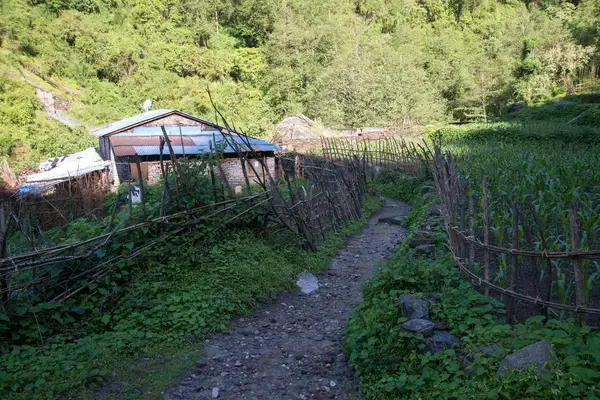
The nature around Sirdibas Villag feels calm and refreshing, especially for trekkers entering the Manaslu region for the first time. The village sits among green hills, terraced fields, and the steady flow of the Budhi Gandaki River. This natural setting creates a peaceful environment where the sound of water, birds, and soft wind replace the noise of busy towns.
Sirdibas is surrounded by landscapes that change gently with every season. In spring, the hills brighten with blooming flowers and fresh crops. In summer, the fields turn deep green, and the river grows stronger with monsoon rain. Autumn brings clear skies and warm sunlight, giving sharp views of cliffs and distant ridgelines. Even in winter, the air feels clean and crisp, and the village stays colorful with traditional houses and prayer flags.
The area around Sirdibas Villag is also rich in small forest patches, bamboo groves, and rocky trails that slowly lead trekkers toward higher mountains. The views may not yet show the tallest Himalayan peaks, but the scenery has a soft beauty that encourages you to walk slowly and enjoy the moment.
Weather and Climate in Sirdibas
Sirdibas Villag, located in the Manaslu region, enjoys a mild and comfortable climate throughout the year. Its lower altitude compared to the Lower Manaslu villages makes it a gentle place for trekkers to acclimatize while enjoying the natural beauty around the Budhi Gandaki River. The weather changes with the seasons, offering a unique experience in each part of the year.
- Spring (March to May):
Spring is one of the most pleasant times to visit Sirdibas. Daytime temperatures usually range from 15 to 22°C, while mornings and nights are cooler at around 8 to 12°C. During this season, the air is fresh and clear, and wildflowers bloom along the trails and fields. Trekkers enjoy bright skies, gentle winds, and the first warm days after the cold winter, making spring ideal for scenic photography and easy walking. - Summer/Monsoon (June to August):
In summer, Sirdibas experiences moderately warm temperatures, with daytime highs of 18 to 24°C and nights around 12 to 16°C. This period also brings monsoon rains, which make the surrounding hills lush and green. The Budhi Gandaki River swells with the rainfall, adding a lively touch to the landscape. Although trekking can be slippery during heavy rain, the fresh, vibrant scenery and cooler forested paths make the journey rewarding. - Autumn (September to November):
Autumn is considered the best trekking season in Sirdibas. Daytime temperatures are usually 16 to 22°C, and mornings and nights remain comfortably cool at 8 to 10°C. Skies are clear, air quality is excellent, and distant mountain views become sharp and breathtaking. This stable weather makes trekking enjoyable, and the pleasant warmth during the day allows trekkers to explore comfortably without heavy clothing. - Winter (December to February):
Winter brings colder but still manageable temperatures. During the day, it ranges from 10 to 15°C, while nights can drop to 3 to 6°C. Snow is rare in Sirdibas itself, but the higher trails beyond the village often get covered with fresh snow. The air is crisp and clean, and the calm, quiet environment gives a peaceful atmosphere for trekkers who enjoy less crowded trails.
Accommodation Options in Sirdibas
Sirdibas Villag, located at the beginning of the Manaslu Circuit Trek, offers trekkers a chance to rest and prepare before venturing into the higher altitude regions. Accommodation here is simple, genuine, and locally run, mainly consisting of tea houses and small lodges. These lodgings are operated by local families, giving visitors a close up view of village life and an authentic Himalayan experience. Staying here allows trekkers not only to rest but also to connect with the local culture and hospitality that the region is known for.

Rooms in Sirdibas Villag tea houses are basic but sufficient for a comfortable stay. Most rooms have twin beds, mattresses, pillows, and blankets, though there is no room heating. Nights can feel cool, especially during early morning or in the winter months, so carrying a sleeping bag or liner is recommended for added warmth. Bathrooms are generally shared and simple, with some lodges offering Western style toilets, while many still use traditional squat toilets. It is helpful for trekkers to carry personal hygiene essentials such as toilet paper, hand sanitizer, and wet wipes, as these may not always be available.
The dining or common area is often the heart of the lodge, providing a warm and social space for trekkers. Here, meals are served, usually prepared with locally sourced ingredients. The area is equipped with stoves, firewood, or solar heated systems to keep the space warm and cozy. Trekkers can relax, interact with other visitors, and even share stories of their journey. This communal environment is also an opportunity to observe local customs, as villagers sometimes join in or interact with the trekkers.
Because Sirdibas Villag is at a lower altitude and easier to reach compared to the remote highland villages, some lodges offer additional amenities such as electricity, device charging, and limited Wi-Fi. While these facilities make the stay more convenient, trekkers should not expect modern luxury. Room rates in Sirdibas are modest, generally around USD 5 to 10 per night, with extra charges for services like hot showers or device charging.
Food and Dining in Sirdibas
Sirdibas offers trekkers a chance to enjoy simple, hearty meals that fuel the journey into the Manaslu region. Most tea houses and lodges serve Nepali and Tibetan style dishes, with dal bhat (rice with lentil soup), noodles, fried rice, and soups being the staples. Dal bhat is especially popular as it provides long lasting energy for trekking, and many lodges offer unlimited refills for trekkers.
Breakfast is usually light but filling, with options like porridge, eggs, bread, and tea or coffee. Lunch and dinner tend to be more substantial, often including vegetables, potatoes, and occasionally meat, though vegetarian meals are widely available and can easily be requested. Since Sirdibas is lower in altitude and more accessible, ingredients are fresher compared to higher stops, allowing for better variety and taste.
Most tea houses also serve hot beverages like milk tea, butter tea, coffee, and cocoa, which are perfect for warming up in the cool mountain mornings or evenings. Snacks such as biscuits, chocolate, and instant noodles are also available in small shops or lodges. Water is generally available, but trekkers are advised to drink boiled, filtered, or bottled water to avoid illness. Some lodges may provide hot water for drinking or personal use at a small charge.
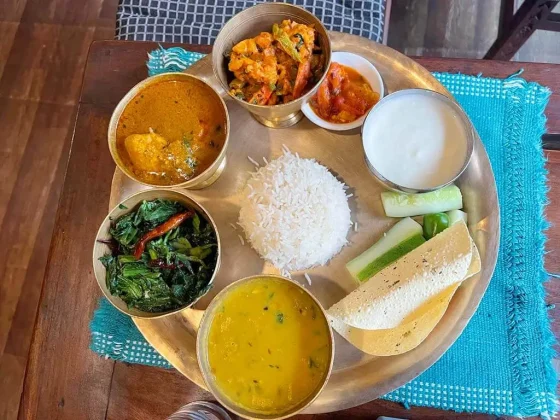
Meals in Sirdibas are usually eaten in the communal dining area, which also serves as a place to socialize with fellow trekkers and locals. The food here is simple but nutritious, giving trekkers the energy needed for the trek ahead while offering a taste of local Nepalese flavors.
How to Reach Sirdibas
Sirdibas is one of the first villages on the Manaslu trekking route, located in the Gorkha District of Nepal. Reaching Sirdibas is relatively easy compared to higher villages, but it requires careful planning because the roads are partially rough and the trail passes through mountainous terrain.
From Kathmandu
Most trekkers start from Kathmandu, the capital of Nepal. From here:
- Drive to Arughat or Jagat:
Take a private jeep or bus from Kathmandu to Arughat Bazaar, which takes around 6 to 7 hours on a rough but scenic road.
From Arughat, continue to Jagat, the gateway to the Manaslu trail. This takes about 2 to 3 hours depending on road conditions.
- Trekking from Jagat to Sirdibas:
The trek from Jagat to Sirdibas is approximately 6 to 7 km, which usually takes 3 to 4 hours.
The trail is moderate, following the Budhi Gandaki River, and passes through small villages and terraced fields, providing a gentle introduction to the Manaslu region.
Tips for the Journey
The road from Kathmandu to Arughat can be bumpy; a private jeep or organized tour is recommended for comfort.
Public buses are available but slower and less reliable.
Hiring local guides or joining a trekking package ensures smooth transportation, permits, and guidance along the route.


