
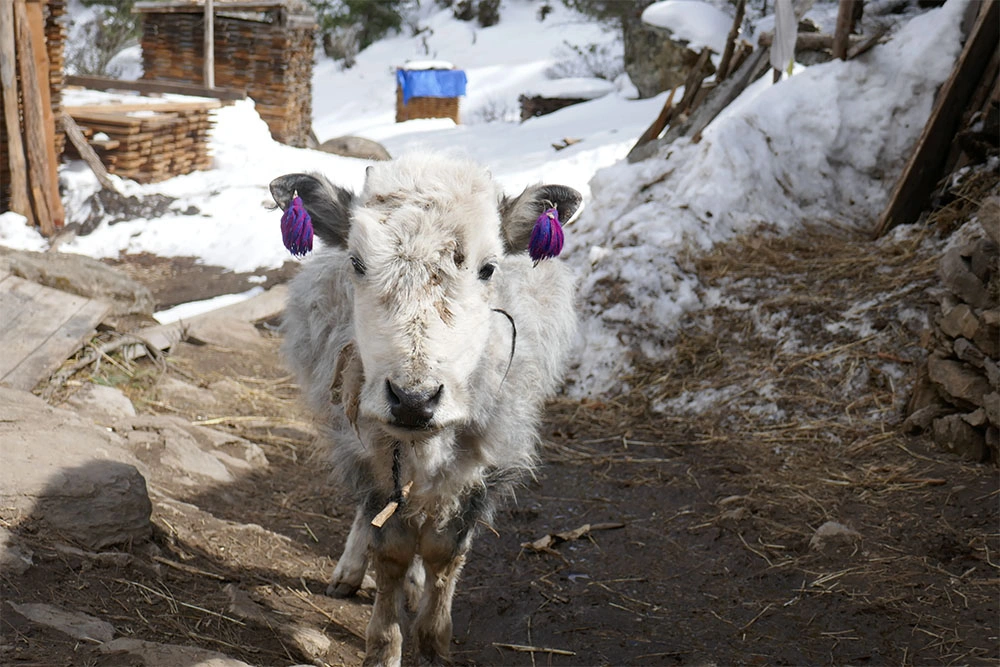
Yak Kharka is a serene and picturesque high-altitude grazing area and small settlement located in the heart of the Manaslu region of Nepal, sitting at an elevation of approximately 4,000 to 4,200 meters (13,123 to 13,780 feet). The name Yak Kharka literally translates to “yak pasture,” reflecting the vital role yaks play in the local economy and culture. These hardy animals provide milk, butter, meat, and transport, supporting the livelihoods of families who have lived in the high Himalayas for generations.
The valley has become a favored stop for trekkers on the Manaslu Circuit Trek, offering an opportunity to rest, acclimatize, and soak in the majestic Himalayan scenery. The landscape is a stunning blend of vast open meadows, seasonal grazing pastures, and traditional stone-and-wood huts, with snow-capped peaks rising dramatically in the distance. The quiet and peaceful environment allows visitors to pause, breathe, and experience the rhythms of high-altitude life, where yaks graze, glaciers glint in the sunlight, and alpine streams meander through the valley.
Table of Contents
Yak Kharka’s wide-open spaces framed by rugged ridges create a picture-perfect Himalayan setting, ideal for photography, meditation, or simply enjoying the untouched natural beauty. The settlement serves as both a practical acclimatization stop and a scenic retreat, allowing trekkers to slow down, absorb the mountain vistas, and prepare physically and mentally before moving on to higher altitudes like Samdo or Larkya La Pass. The combination of culture, tranquility, and panoramic views makes Yak Kharka a memorable and essential part of the Manaslu trek.
Location and Altitude of Yak Kharka
Yak Kharka is a high-altitude grazing area and small settlement located in the Manaslu region of Nepal, nestled between Bimthang and Samdo along the Manaslu Circuit Trek. The settlement sits at an elevation of approximately 4,000 to 4,200 meters (13,123 to 13,780 feet), making it one of the key stops for trekkers to rest and acclimatize before ascending to higher altitudes like Larkya La Pass.
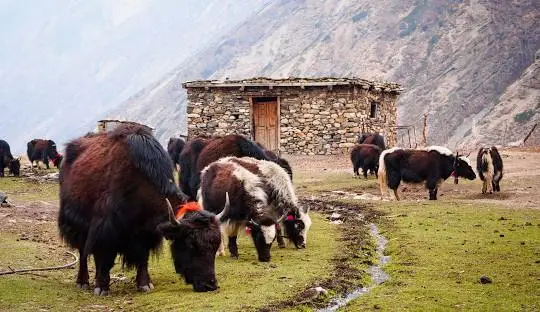
The area is surrounded by expansive alpine meadows, rugged ridges, and glacial streams, offering panoramic views of the surrounding Himalayan peaks such as Manaslu, Himlung Himal, and Cheo Himal. The wide-open grazing pastures are primarily used by local herders for yak farming, which remains central to the livelihoods of high-altitude communities.
Yak Kharka lies roughly 4 to 5 kilometers above Bimthang, accessible via a moderately challenging trail that meanders through natural landscapes, including yak pastures, glacial meltwater streams, and rocky slopes. Its location provides a strategic resting point where trekkers can acclimatize, observe
How to Reach Yak Kharka
The trek to Yak Kharka begins from Bimthang, located about four to five kilometers below the grazing area. The trail is well-marked and scenic, winding through vast alpine meadows, seasonal yak pastures, and sparkling glacial streams. Although the altitude makes the hike moderately challenging, the incline is mostly gentle, making it suitable for trekkers with moderate fitness. Walking slowly and taking breaks is recommended to help with acclimatization while allowing time to appreciate the surroundings.
The journey typically takes three to four hours, depending on pace and weather conditions. Along the way, trekkers are treated to glimpses of local highland life, including herders tending to their yaks, small stone-and-wood huts, and clusters of colorful prayer flags fluttering in the wind. These features not only add cultural richness but also make for excellent photo opportunities.
The trail’s open spaces provide unobstructed views of towering peaks, glaciers, and rugged ridges, giving a true sense of the Himalayas’ vastness. Reaching Yak Kharka marks a key acclimatization stop, offering time to rest, hydrate, and enjoy the peaceful environment before moving on to higher-altitude destinations such as Samdo or Larkya La Pass. The combination of natural beauty, cultural touches, and practical trekking benefits makes the approach to Yak Kharka both rewarding and memorable.
Essential gear for Yak Kharka
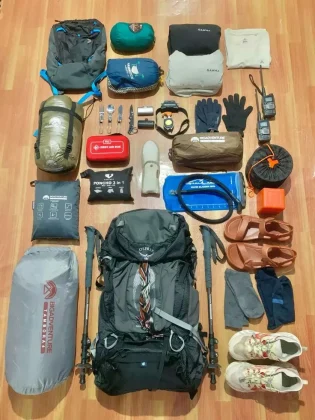
Before you trek to Yak Kharka, you may find the trails steep and the weather unpredictable. You should carry proper clothing, sturdy boots, and a reliable backpack. You may also want to pack water, snacks, and a first-aid kit to stay comfortable, safe, and fully prepared for the high-altitude journey.
Clothing
- Base layers: Lightweight thermal tops and breathable t-shirts.
- Warm layers: Fleece pullovers or insulated jackets for cold weather.
- Outer layer: Waterproof jacket and pants to block wind and rain.
- Trekking pants and shorts: Quick-dry, flexible trekking trousers or shorts.
- Hat & gloves: Warm beanie and comfortable trekking gloves.
- Socks: Thick wool or synthetic trekking socks, 2-3 pairs.
Footwear
- Trekking boots: Durable, water-resistant boots with ankle support.
- Camp shoes/sandals: Soft shoes or sandals for lodge use.
Backpack
- Daypack (25-35L): Comfortable pack for daily essentials.
- Trekking poles: Collapsible walking poles for stability.
- Headlamp: LED headlamp with spare batteries.
- Water bottles or hydration system: Minimum 2 liters of water capacity.
Other Important Items
- Sleeping bag: Warm sleeping bag suitable for sub-zero temperatures.
- Sunglasses & sunscreen: UV-protective sunglasses and high SPF sunscreen.
- Personal first-aid kit: Include basic medicines, blister care, and altitude remedies.
- Snacks & energy bars: Lightweight high-energy food for quick refueling.
Extra Items
- Camera or smartphone for photos, portable charger, trekking gaiters, and rain cover for backpack.
Culture in Yak Kharka
Yak Kharka is a small, remote settlement where the lives of the people are closely intertwined with the mountains around them. The villagers are mostly of Tibetan descent and follow Buddhist traditions, which can be seen in the small chortens, prayer flags, and simple monasteries scattered across the village. Life here revolves around subsistence and community. Most families rely on yak herding, which provides milk, butter, meat, and wool, and on small-scale farming of barley, potatoes, and vegetables in the brief summer months. The herding lifestyle dictates the rhythm of daily life, with families moving between pastures according to the seasons and the needs of their animals.
Traditions and stories are passed down orally, and the elders play a crucial role in preserving local customs, festivals, and rituals. The villagers maintain their homes using stone and wood, adapted to withstand harsh winters and strong mountain winds. Visitors often witness the simplicity of daily routines, from milking yaks at dawn to weaving wool or preparing traditional meals over wood fires.
The culture of Yak Kharka reflects resilience, resourcefulness, and a deep connection with nature. Every aspect of life, from farming to festivals, carries a sense of continuity with generations that have lived in these high Himalayan valleys for centuries.
Flora and Fauna in Yak Kharka
The high-altitude valley of Yak Kharka is home to a remarkable variety of alpine flora and fauna, uniquely adapted to survive in one of the harshest environments on earth. The meadows are adorned with hardy grasses, low-lying shrubs, and vibrant wildflowers that bloom during the brief summer months, painting the landscape with bursts of color against the backdrop of snow-capped peaks. These plants have evolved to withstand extreme cold, strong winds, and intense sunlight, creating a resilient and thriving ecosystem in the high Himalayas.
Wildlife is equally fascinating. Herds of yaks roam the meadows, grazing peacefully and forming an integral part of local life. Trekkers may spot Himalayan marmots darting among rocks, and on rare occasions, blue sheep can be seen navigating the distant slopes. Meltwater streams and small ponds attract birds and insects, adding movement and life to the otherwise rugged terrain. The interactions between the wildlife, grazing yaks, and local herders offer a unique glimpse into how humans and animals coexist harmoniously in high-altitude landscapes.
For nature enthusiasts and photographers, Yak Kharka is a haven. The combination of lush alpine vegetation, diverse wildlife, and panoramic mountain views provides endless opportunities to observe, study, and capture the intricate beauty of this remote Himalayan environment. It also serves as a living lesson in ecological resilience, highlighting how life adapts and thrives even at extreme elevations.
Best Time to Visit Yak Kharka
The ideal periods to visit Yak Kharka are spring (March to May) and autumn (September to November). During these months, the weather is generally stable, the skies are clear, and visibility is excellent, allowing trekkers to enjoy panoramic views of the surrounding Himalayan peaks, glaciers, and alpine meadows. Spring brings blooming wildflowers that add vibrant colors to the valley, while autumn offers crisp air, golden sunlight, and dramatic contrasts between snow-capped mountains and green pastures.
Summer months can be unpredictable due to the monsoon rains, which make trails slippery, increase the risk of landslides, and reduce visibility of the distant peaks. Winter is cold and snowy, which can make trekking challenging and sometimes unsafe, but it also transforms Yak Kharka into a snow-covered alpine wonderland, offering solitude for experienced trekkers seeking a quiet high-altitude experience.
Visiting during spring or autumn not only provides the best scenery but also allows for comfortable trekking conditions and easier acclimatization. Sunrise and sunset in the valley are particularly striking, as the changing light enhances the colors of the meadows and mountains. Choosing the right season ensures a safe, enjoyable, and memorable experience in this remote Himalayan valley.
Accommodation in Yak Kharka
In Yak Kharka, accommodation is modest yet welcoming, designed to meet the needs of high-altitude trekkers. The village has several teahouses and small lodges, often constructed from stone and wood, blending naturally with the rugged mountain landscape. Rooms are simple, usually with twin or triple beds, warm blankets, and shared toilets, offering just what is needed for a restful night after a challenging day on the trail. The straightforward setup enhances the feeling of being part of life in a remote Himalayan settlement.
The dining hall is the social hub of each lodge, usually centered around a wood or kerosene stove, where trekkers gather to share meals, exchange stories, and warm up. Some teahouses provide solar-powered electricity, making it possible to charge phones or cameras, while a few offer limited hot water for showers. Despite basic facilities, the warmth of the environment makes it a comfortable and cozy stop.
Staying in Yak Kharka is also an important acclimatization opportunity. The quiet valley, surrounded by towering peaks and open meadows, allows trekkers to rest, adjust to the altitude, and soak in the natural beauty. Coupled with the hospitality of the local owners, each night spent here offers not just comfort but a genuine experience of traditional high-altitude Himalayan life, preparing trekkers for the higher trails toward Samdo and Larkya La Pass.
Food in Yak Kharka
Trekkers can enjoy wholesome, energizing meals that are perfect for the demands of high-altitude trekking. The classic choice is Dal Bhat, a nourishing mix of rice, lentils, and seasonal vegetables that fuels long days on the trail. Other options include noodles, soups, Tibetan bread, pancakes, and fresh yak cheese, each reflecting the flavors of the Himalayan highlands.
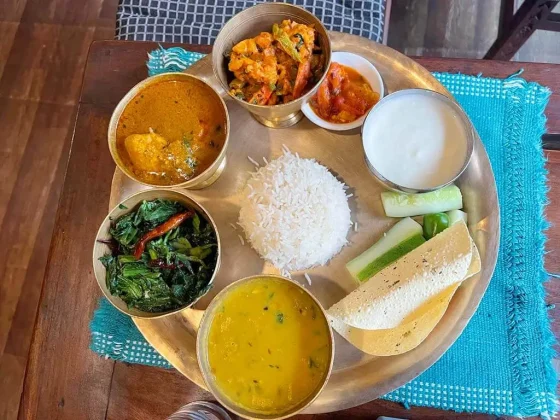
A local specialty that stands out is butter tea, made from tea, yak butter, and a pinch of salt. Its rich, warming flavor may be unexpected at first but quickly becomes a favorite, providing both comfort and energy in the cold mountain air. Meals are usually served in cozy dining areas around a stove, where trekkers gather to eat, warm up, and take in views of the surrounding peaks.
Mealtimes here are as much about community and culture as nourishment. Simple ingredients, traditional recipes, and the friendliness of the teahouse owners combine to create a memorable experience. After a satisfying meal, trekkers feel rejuvenated and ready to continue toward Samdo and Larkya La Pass, carrying both energy and a taste of authentic high-altitude life.
Activities to do in Yak Kharka
Yak Kharka offers a variety of activities for trekkers to enjoy while acclimatizing and taking in the high-altitude scenery. Short walks through yak pastures, alpine meadows, and glacial streams allow visitors to explore the surrounding landscapes at a gentle pace. The open terrain provides excellent opportunities for photography, capturing panoramic views of towering peaks, grazing yaks, and distant glaciers.
The peaceful environment also makes Yak Kharka an ideal spot for meditation and quiet reflection, giving trekkers a chance to relax and connect with nature. Observing local herders as they tend their yaks offers insights into traditional highland life and the symbiotic relationship between people and their environment.
Trekkers can also take advantage of natural rest areas scattered throughout the meadows to enjoy the scenery, read, or simply bask in the calm atmosphere. The combination of scenic beauty, cultural observations, and a tranquil setting makes Yak Kharka a rewarding stop for both rest and exploration, providing preparation and inspiration for the higher-altitude stages ahead.
Why Yak Kharka
Yak Kharka is a place where the mountains feel incredibly close and the air has a crisp, high-altitude freshness. The wide meadows are dotted with grazing yaks, while snow-capped peaks rise dramatically in every direction, creating a perfect backdrop for trekking and photography. It is also an ideal spot to pause and acclimatize, giving trekkers a chance to adjust before heading to Samdo or Larkya La Pass.
The valley offers a window into traditional Himalayan life. Local herders tend their yaks, small mani walls and prayer flags add color and meaning, and seasonal huts reflect a lifestyle perfectly adapted to this highland environment. Observing daily routines and rituals here gives visitors a real sense of the connection between people and the mountains.
Beyond practicality, Yak Kharka is a space to breathe, reflect, and enjoy the calm beauty of the Manaslu region. The combination of natural splendor, cultural insights, and serene atmosphere makes it a memorable stop, giving trekkers both rest and inspiration before continuing to higher altitudes.


