Explore Manaslu Region of Nepal’s culture, ancient monasteries, remote mountain trails, wildlife, and unforgettable trekking adventures.
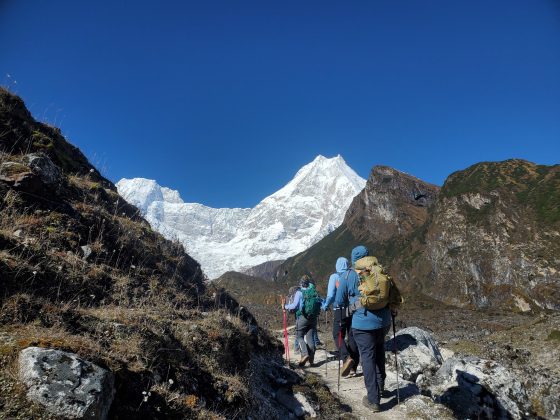
Hidden in the remote Himalayas of Nepal, The Manaslu region is one of the country’s most breathtaking and culturally rich destinations. Home to the world’s eighth-highest mountain, Mount Manaslu (8,163m), this untouched region offers a remarkable blend of dramatic mountain landscapes, ancient Buddhist traditions, traditional Tibetan-influenced villages, sacred monasteries, and diverse Himalayan wildlife. Far from the crowded trekking routes of Everest and Annapurna, Manaslu remains a peaceful and authentic corner of Nepal where travelers can experience the true spirit of the Himalayas.
From the spectacular trails of the Manaslu Circuit to the hidden valleys of Tsum, every journey through this region reveals stunning natural beauty and deep cultural heritage. Walk through rhododendron forests, cross high mountain passes, visit centuries-old monasteries, and connect with local communities that have preserved their traditions for generations. Whether you are seeking adventure, spiritual discovery, cultural exploration, or unforgettable trekking experiences, the Manaslu region offers a unique Himalayan journey guided by local experts who know the mountains best.
About the Manaslu Region Nepal
Nestled in the north-central Himalayas of Nepal near the Tibetan border, the Manaslu region is one of the country’s most spectacular and culturally rich mountain destinations. Home to Mount Manaslu (8,163m), the world’s eighth-highest mountain, this remote Himalayan region offers dramatic landscapes, ancient Buddhist culture, traditional mountain villages, sacred monasteries, and unforgettable trekking experiences far from the crowded trails of Everest and Annapurna.
Location
Located within the Manaslu Conservation Area, the region stretches from the lower subtropical valleys of Gorkha to the high Himalayan passes near Larkya La Pass (5,106m). The area is inhabited mainly by Nubri and Tibetan-origin communities whose lifestyle, language, and traditions have remained deeply connected to Tibetan Buddhism for centuries.
History
Historically, the Manaslu region was an important part of the ancient salt-trading route between Nepal and Tibet. Even today, trekkers can witness old caravan trails, stone-built villages, prayer wheels, mani walls, and centuries-old monasteries that reflect the region’s unique Himalayan heritage.
Restricted Area of Nepal
Because of its cultural sensitivity and border location, the Manaslu region is designated as a restricted area by the Government of Nepal. Special permits are required for trekking, and travelers must be accompanied by a licensed trekking guide. These regulations help preserve the region’s natural beauty, traditional culture, and remote wilderness environment.
Mt. Manaslu overview
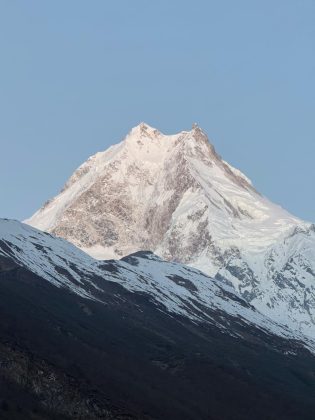
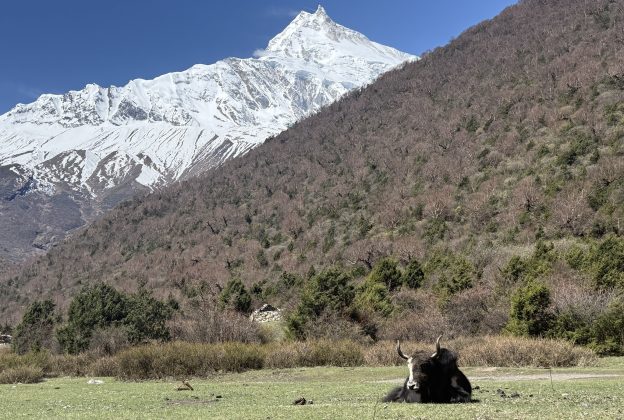
Towering above the region is Mount Manaslu, whose name comes from the Sanskrit word “Manasa,” meaning soul or intellect. First climbed in 1956 by a Japanese expedition team, Mount Manaslu is admired for its massive snow-covered peaks, glacier valleys, and spiritual significance among local communities. Today, the mountain stands as the heart of the Manaslu region and one of the greatest highlights for trekkers and mountaineers visiting Nepal.
Culture & Local People
The Manaslu region is not only famous for its breathtaking mountain scenery but also for its rich Himalayan culture and deeply spiritual way of life. Hidden among the high valleys and remote villages are communities whose traditions, beliefs, and lifestyles have remained preserved for generations.
Tibetan Buddhist culture
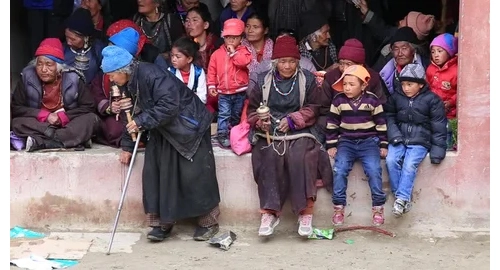
Tibetan Buddhism plays an important role in everyday life throughout the region. Ancient monasteries, prayer halls, chortens, and sacred sites can be found in nearly every village. Monks chanting prayers, spinning prayer wheels, and the sound of fluttering prayer flags are common experiences along the trekking trails. Villages such as Lho, Samagaun, Samdo, and the hidden Tsum Valley are especially known for their spiritual heritage and traditional Buddhist practices.
Nubri people
The upper Manaslu region is mainly inhabited by the Nubri people, an ethnic group of Tibetan origin who migrated across the Himalayas centuries ago. Their language, architecture, clothing, and daily life still reflect strong Tibetan influences, creating a unique cultural atmosphere rarely found elsewhere in Nepal.
Local Traditions
As trekkers journey through the Manaslu region, they will encounter beautifully carved mani walls engraved with Buddhist prayers and symbols. According to local tradition, these sacred stone walls should always be passed from the left side as a sign of respect. Colorful prayer flags stretched across mountain ridges, bridges, and monasteries are believed to carry prayers and blessings into the wind.
Yak Caravans
Traditional mountain life in Manaslu remains closely connected to nature and seasonal trade routes. Yak caravans are still used to transport goods through remote Himalayan trails, continuing centuries-old trading traditions between Nepal and Tibet. The sight of yaks carrying supplies through rugged mountain landscapes adds to the authentic Himalayan experience that makes the Manaslu region so special.
Despite the increasing popularity of trekking, the people of Manaslu have preserved their warm hospitality, ancient customs, and peaceful mountain lifestyle. Visiting the region offers not only an adventure through the Himalayas but also a meaningful cultural journey into one of Nepal’s most authentic Tibetan Buddhist communities.
Ancient Monasteries in Manaslu Region
The Manaslu region is home to some of Nepal’s most sacred and ancient Buddhist monasteries, many of which have stood peacefully in the Himalayas for centuries. Surrounded by snow-capped mountains, remote valleys, and traditional Tibetan villages, these monasteries are important spiritual centers for local communities and offer trekkers a deeper connection to the region’s rich Buddhist heritage.
Pungyen Gompa
One of the most famous monasteries in the region is Pungyen Gompa, located above Samagaun village beneath the towering glaciers of Mount Manaslu. Set in a dramatic alpine landscape, this peaceful monastery offers spectacular mountain views and a strong spiritual atmosphere. According to local belief, the monastery was blessed by the great Buddhist master Guru Rinpoche, making it an important pilgrimage site for local people.
Mu Gompa,
Hidden deep inside the sacred Tsum Valley lies the historic Mu Gompa, one of the highest and most remote monasteries in Nepal. Situated near the Tibetan border at an altitude of over 3,700 meters, Mu Gompa has long served as a center of Buddhist learning and meditation. The monastery preserves ancient manuscripts, religious artwork, and centuries-old traditions that continue to shape the spiritual life of the valley.
Ribung Gompa,
Another important religious site is Ribung Gompa, located in the traditional village of Lho. This beautiful monastery is known for its peaceful setting, colorful Buddhist murals, and panoramic views of Mount Manaslu. The monastery remains an active spiritual center where monks perform daily rituals and prayers, offering visitors a glimpse into authentic Himalayan Buddhist culture.
Serang Gompa:
Serang Monastery, located in the remote Nubri Valley, is another hidden spiritual treasure of the Manaslu region. This ancient monastery belongs to the Tibetan Buddhist tradition and is respected as an important meditation and learning center. The surrounding landscapes, prayer flags, and quiet mountain environment create a deeply spiritual atmosphere for both pilgrims and trekkers.
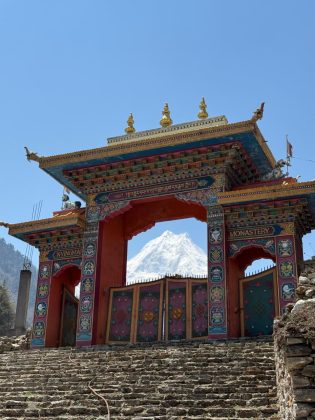
Exploring these monasteries allows travelers to experience more than just mountain scenery. They offer a rare opportunity to discover the spiritual heart of the Himalayas, where Buddhist traditions, ancient culture, and peaceful mountain life continue to thrive far from the modern world.
Flora & Fauna of Manaslu Conservation Area
The Manaslu Conservation Area is one of Nepal’s richest Himalayan ecosystems, covering a remarkable range of landscapes from subtropical forests and river valleys to alpine meadows and high mountain glaciers. Established in 1998, the conservation area protects not only the natural beauty of the Manaslu region but also its rare wildlife, diverse vegetation, and fragile mountain environment.
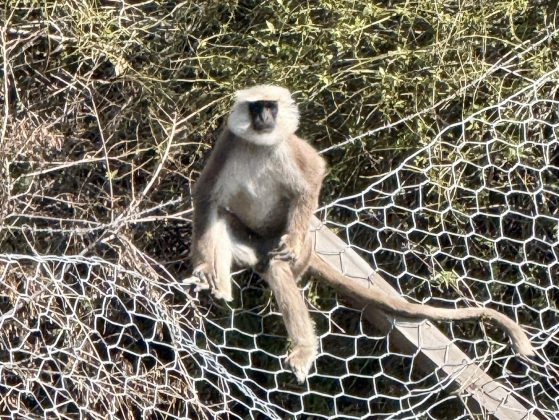
Because of its wide altitude variation, the region supports an incredible diversity of flora and fauna. Dense bamboo forests, pine forests, oak woodlands, and colorful Rhododendron Forests cover the lower and middle hills, especially during spring when the hillsides bloom with vibrant Himalayan flowers. Higher elevations reveal alpine grasslands, glacier valleys, and rugged mountain terrain beneath the towering peaks of the Himalayas.
The Manaslu region is home to several rare and endangered wildlife species. Among the most elusive animals is the Snow Leopard, often called the “Ghost of the Himalayas.” Although rarely seen, this magnificent predator inhabits the remote high-altitude areas of the conservation region. Other important wildlife species include the Himalayan Thar, Blue Sheep, Musk Deer, Himalayan Marmots, and Mangur Monkeys.
Bird lovers can also enjoy the rich birdlife of the region, including Himalayan griffons, Colorful Pheasants, Eagles, and various high-altitude mountain birds found throughout the forests and valleys.
The conservation area is also known for its valuable medicinal herbs and traditional Himalayan plants used for generations by local communities. Many villagers continue to rely on natural herbal medicine collected from the mountain forests and alpine pastures.
The remote wilderness and relatively untouched environment of the Manaslu region make it one of the best destinations in Nepal for travelers seeking both Himalayan adventure and authentic natural beauty. Trekking through the Manaslu Conservation Area offers a rare opportunity to experience pristine mountain ecosystems where wildlife, forests, and traditional mountain life still exist in harmony.
Trekking Packages in Manaslu
The Manaslu region offers some of Nepal’s most rewarding and less-crowded Himalayan trekking experiences. From high mountain passes and remote Tibetan villages to sacred valleys and hidden trails, the region is perfect for trekkers seeking both adventure and authentic Himalayan culture. Whether you are looking for a classic circuit trek, a spiritual cultural journey, or an off-the-beaten-path expedition, Manaslu has something for every trekking enthusiast.
👉 Manaslu Circuit Trek
The legendary Manaslu Circuit Trek is one of Nepal’s finest tea house treks, circling the world’s eighth-highest mountain, Mount Manaslu (8,163m). The journey includes spectacular mountain scenery, authentic Himalayan villages, ancient monasteries, and the dramatic crossing of Larkya La Pass (5,106m).
👉 Tsum Valley Trek
Known as the “Hidden Valley of Happiness,” the Tsum Valley Trek offers a unique cultural and spiritual experience through remote Buddhist villages, sacred monasteries, and untouched Himalayan landscapes influenced by Tibetan culture.
👉 Short Manaslu Trek
Perfect for trekkers with limited time, the Short Manaslu Trek combines the major highlights of the Manaslu region, including mountain views, local culture, and scenic trekking trails within a shorter itinerary.
👉 Manaslu & Annapurna Circuit Trek
This extended adventure combines two of Nepal’s most iconic trekking regions into one unforgettable Himalayan journey. Trek from the remote Manaslu region into the famous Annapurna Circuit through the high mountain pass of Larkya La.
👉 Rupina La Trek
The Rupina La Trek is one of the most remote and challenging trekking routes in Nepal. Ideal for experienced trekkers seeking wilderness adventure, the trail passes through isolated valleys, alpine landscapes, glacier routes, and untouched mountain terrain rarely visited by tourists.
From classic tea house trekking to remote Himalayan expeditions, the Manaslu region offers a truly authentic adventure experience far from the crowded trekking trails of Nepal.
Best Time to Explore Manaslu
The Manaslu region can be explored throughout the year, but the best trekking seasons are spring and autumn when the weather is stable, mountain views are clear, and trail conditions are ideal. Each season offers a different experience in the Himalayas, from blooming rhododendron forests to peaceful snow-covered landscapes.
Spring Season (March to May)
Spring is one of the most beautiful times to explore the Manaslu region. The weather is generally stable with moderate temperatures, clear skies, and colorful rhododendron forests blooming across the hillsides. Mountain views of Mount Manaslu, Himalchuli, Ngadi Chuli, and surrounding peaks are especially spectacular during this season. Spring is also popular for cultural experiences and high-altitude trekking conditions around Larkya La Pass.
Autumn Season (September to November)
Autumn is considered the best overall season for trekking in the Manaslu region. After the monsoon rains, the skies become exceptionally clear, offering stunning Himalayan panoramas and comfortable trekking temperatures. The trails are dry, visibility is excellent, and local villages are lively with festivals and harvesting activities. This season is ideal for the Manaslu Circuit Trek, Tsum Valley Trek, and other high mountain adventures.
Winter Season (December to February)
Winter trekking in Manaslu offers peaceful trails, dramatic snowy landscapes, and fewer trekkers. Lower regions remain accessible and beautiful during winter, while higher elevations around Larkya La Pass can experience heavy snowfall and colder temperatures. Trekkers should be well-prepared for freezing nights and changing weather conditions. Winter is best suited for experienced trekkers seeking solitude and a more adventurous Himalayan experience.
Monsoon Season (June to August)
The monsoon season brings frequent rainfall, lush green valleys, waterfalls, and vibrant mountain scenery. However, trails can become muddy and slippery, with occasional landslides in lower sections of the route. Mountain views may also be limited due to clouds and rain. Despite these challenges, some trekkers still visit the region during monsoon for quieter trails, dramatic landscapes, and cultural exploration in the rain-shadow areas closer to Tibet.
No matter the season, the Manaslu region offers a unique blend of Himalayan nature, culture, and adventure that creates unforgettable trekking experiences throughout the year.
Permits & Regulations for the Manaslu Region
The Manaslu region is a protected and restricted trekking area in Nepal, and trekkers must obtain special permits before entering the region. These regulations help preserve the area’s unique Himalayan culture, fragile mountain environment, and border security near Tibet. Trekkers are also required to travel with a licensed guide through authorized trekking agencies.
Restricted Area Permit (RAP)
The Restricted Area Permit is mandatory for trekking in the Manaslu region between Jagat and Dharapani. The permit fee varies depending on the season and duration of the trek. Since Manaslu is classified as a restricted area by the Government of Nepal, independent trekking is not allowed.
Restricted Area Permit Costs:
September to November
USD 100 per person for the first 7 days
USD 15 per person per additional day
December to August
USD 75 per person for the first 7 days
USD 10 per person per additional day
Manaslu Conservation Area Permit (MCAP)
Trekkers must also obtain the Manaslu Conservation Area Permit, which supports environmental conservation, wildlife protection, and sustainable tourism development within the region.
MCAP Cost:
NPR 3,000 per person for foreign nationals
Annapurna Conservation Area Permit (ACAP)
Most Manaslu treks exit through the Annapurna region after crossing Larkya La Pass, making the Annapurna Conservation Area Permit necessary for the trek.
ACAP Cost:
NPR 3,000 per person for foreign nationals
Licensed Guide Requirement
According to Nepal government regulations, all trekkers in the Manaslu restricted area must travel with a licensed trekking guide and book the trek through a registered trekking agency. A minimum of two trekkers is generally required for the Restricted Area Permit application, although agencies can often arrange permit combinations for solo travelers.
Traveling with an experienced local guide not only fulfills legal requirements but also enhances safety, cultural understanding, navigation, and overall trekking experience in the remote Himalayas.
At Manaslu Guides Nepal, we arrange all necessary permits, licensed guides, transportation, accommodations, and trekking logistics to ensure a safe and hassle-free journey in the Manaslu region.
Why Choose Manaslu Guides Nepal
Choosing the right trekking company can make all the difference in your Himalayan adventure. At Manaslu Guides Nepal, we are passionate about sharing the beauty, culture, and hidden trails of the Manaslu region through safe, authentic, and professionally organized trekking experiences.
Local Experts of the Manaslu Region
Our team has deep local knowledge of the Manaslu region, its culture, mountain trails, villages, and trekking conditions. We work closely with experienced local guides and communities to provide genuine Himalayan experiences beyond standard tourist routes.
Experienced & Licensed Trekking Guides
All our treks are led by government-licensed, experienced, and friendly trekking guides who prioritize your safety, comfort, and cultural experience throughout the journey.
Authentic Himalayan Cultural Experience
We believe trekking is more than reaching a destination. Our trips allow travelers to connect with local people, ancient monasteries, Tibetan Buddhist traditions, and the unique mountain lifestyle of the Himalayas.
Personalized & Flexible Trekking Services
Whether you are looking for a short trek, a complete Manaslu Circuit adventure, or a customized itinerary combining Tsum Valley and Annapurna, we tailor each trip according to your interests, fitness level, and travel schedule.
Safety & Responsible Trekking
Your safety is our highest priority. We carefully monitor weather conditions, altitude acclimatization, transportation, permits, and trekking logistics to ensure a safe and enjoyable journey in the remote Himalayas.
Fair Pricing with Quality Service
As a local Nepal-based trekking company, we offer competitive pricing while maintaining high service standards, professional staff, comfortable accommodations, and transparent communication from arrival to departure.
Supporting Local Communities
By traveling with Manaslu Guides Nepal, you directly support local guides, porters, teahouses, and mountain communities in the Manaslu region. We are committed to responsible tourism that benefits local people and helps preserve Himalayan culture and nature for future generations.
From remote mountain trails and sacred monasteries to breathtaking Himalayan views, Manaslu Guides Nepal is dedicated to creating meaningful trekking experiences that combine adventure, culture, and authentic local hospitality.