Langtang- Manaslu-Annapurna to Pokhara Cultural Trail
Duration
23 DAYS
Activity
Trekking
Max. Altitude
3850m /12628ft.
Difficulty
Moderate Trek
A moderate to challenging trek with daily 5–7 hours walking, steep ascents and descents, suitable for fit trekkers with some experience.
Starts
Kathmandu
Ends
Pokhara
Group Size
2 Pax
Best Season
March-May,
Sept-Dec.
TRIP HIGHLIGHTS
Hidden Himalayan Villages Trek, Where Culture, Mountains, and Ancient Trails Meet.
From Langtang to Manaslu to Annapurna – Discover Nepal’s Hidden Himalayan Villages.
Walk Through Living Himalayan Culture, Tamang and Gurung Villages Beyond the Tourist Trails.
A Journey Through Nepal’s Hidden Valleys, Cultural Villages, and Three Great Himalayan Regions.
Explore the Untouched Himalayas – Remote Villages, High Passes, and Authentic Homestays.
TRIP OVERVIEW
Hidden Himalayan Villages Trek in Nepal (23 Days Off-the-Beaten Adventure)
Experience one of Nepal’s most authentic and untouched trekking routes, connecting remote Himalayan villages, rich cultures, and breathtaking landscapes far from crowded trails.
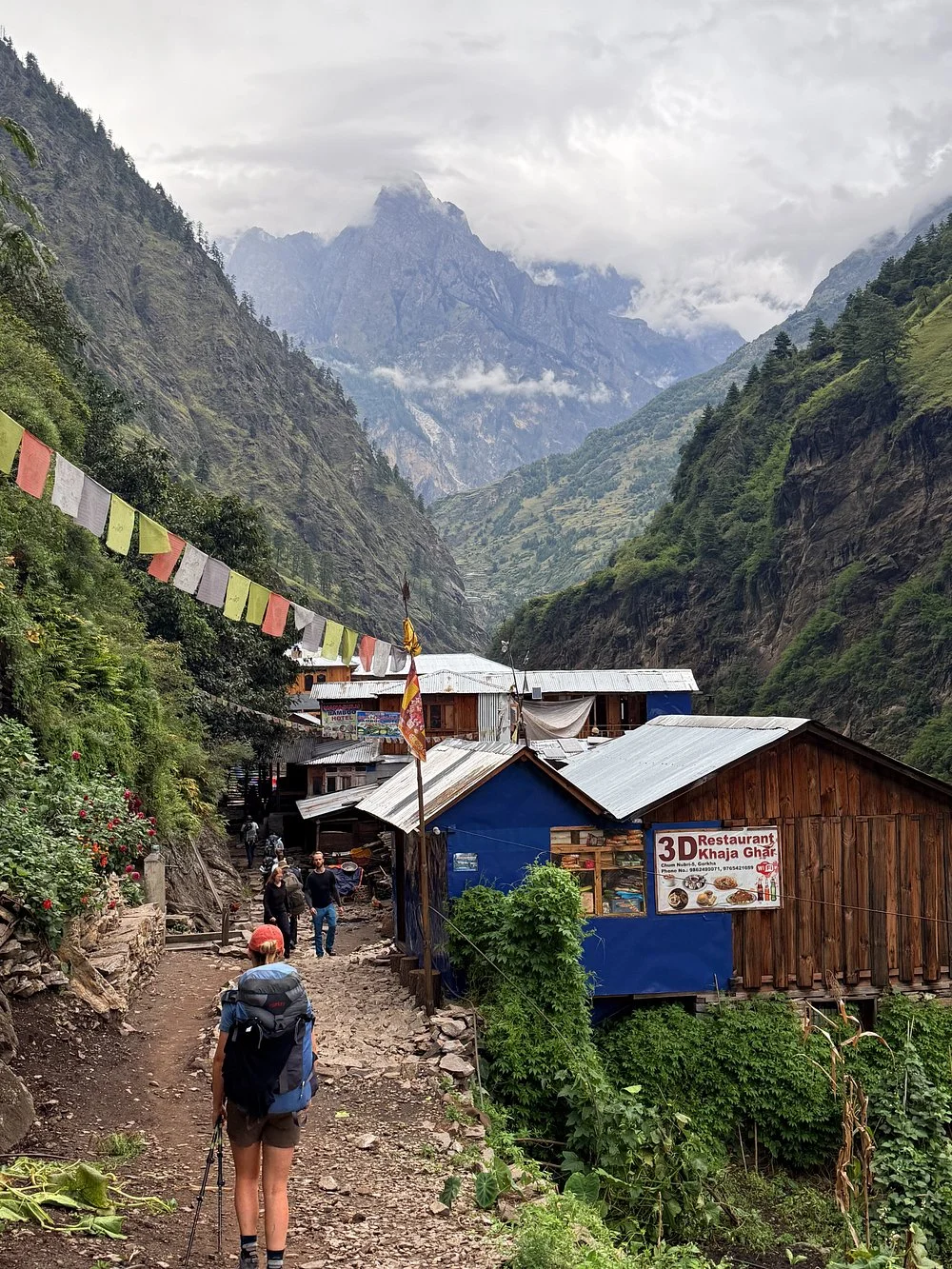
The Hidden Himalayan Villages Trek is one of Nepal’s most authentic and unexplored trekking journeys, connecting remote mountain communities between the Langtang, Ganesh Himal, Manaslu, and Annapurna regions. Unlike the popular trekking routes crowded with visitors, the Hidden Himalayan Villages Trek takes travelers through traditional Tamang and Gurung villages, untouched landscapes, and centuries-old cultural settlements where daily life still follows ancient Himalayan traditions.
Starting from Syabrubesi, the gateway to Langtang National Park, this remarkable trekking route gradually crosses the scenic Ruby Valley and the majestic Pangsang La Pass (3,850 m), offering breathtaking views of the surrounding Himalayan ranges. From there, the trail continues southward through the culturally rich settlements of the Manaslu Conservation Area before eventually entering the foothills of the Annapurna Conservation Area and ending in the beautiful lakeside city of Pokhara.
Overally This Hidden treks in the Himalayas combine Ruby Valley Trek Nepal, Pangsang La Pass Trek, Langtang to Manaslu Trek, Tamang Heritage Village Trek, Gurung Cultural Trek Nepal, Off the Beaten Path Trek Nepal, Nepal Homestay Trek, Ganesh Himal Cultural Trek, Syabrubesi to Pokhara Trek, Hidden Himalayan Villages Trek, Tamang Heritage Village Trek, Gurung Cultural Trek Nepal
This Page Explains
Starting from Syabrubesi, the gateway to Langtang National Park, this remarkable trekking route gradually crosses the scenic Ruby Valley and the majestic Pangsang La Pass (3,850 m), offering breathtaking views of the surrounding Himalayan ranges. From there, the trail continues southward through the culturally rich settlements of the Manaslu Conservation Area before eventually entering the foothills of the Annapurna Conservation Area and ending in the beautiful lakeside city of Pokhara.
The Hidden Himalayan Villages Trek is ideal for travelers seeking a genuine Himalayan experience and remote and hidden treks Instead of luxury lodges or busy trekking highways, trekkers stay in traditional homestays where local families warmly welcome guests and share their food, culture, and storie
A Unique Cultural Trek Through Remote Himalayan Communities
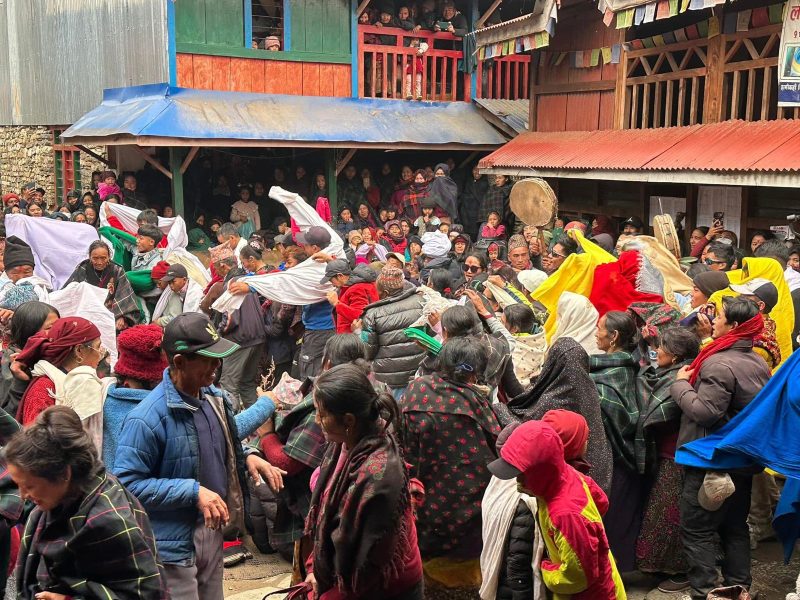
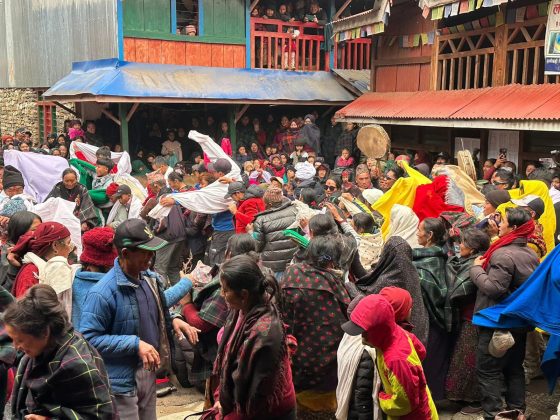
What makes the Hidden Himalayan Villages Trek truly special is the opportunity to explore villages that are rarely visited by international trekkers. These communities preserve unique languages, customs, and lifestyles that have remained unchanged for generations.
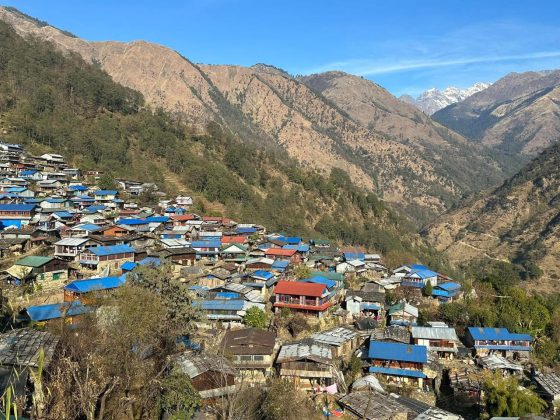
Early in the journey, trekkers visit the beautiful Tamang village of Gatlang, known for its traditional stone houses, Buddhist monasteries, and terraced hillsides. The trail then climbs toward the highland mining settlement of Somdang before reaching the panoramic viewpoint of Pangsang La Pass.
From this high mountain pass, the Hidden Himalayan Villages Trek reveals spectacular views of the Ganesh Himal, Langtang, and Manaslu ranges. On clear days, trekkers can see long ridges of snow-covered peaks stretching across the northern horizon.
Descending from the pass, the trail reaches the remote village of Tipling, a classic Tamang settlement with around 200 traditional homes. Here visitors can observe traditional weaving, farming, and Buddhist rituals that continue to shape daily life in the mountains.
Crossing the Ruby Valley and Manaslu Region
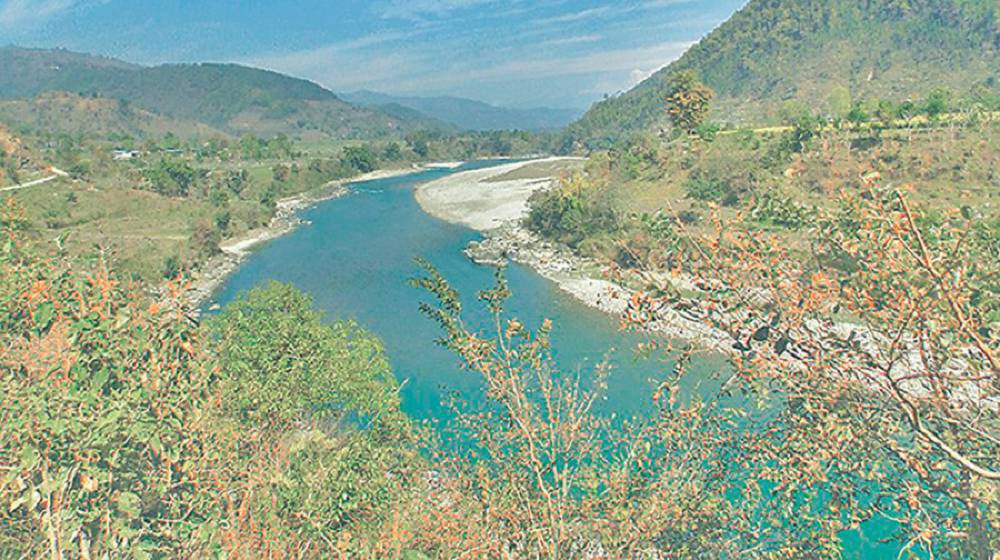
The next part of the Hidden Himalayan Villages Trek travels through the hidden valleys between Ganesh Himal and Manaslu. This region, often called the Ruby Valley, is one of Nepal’s least explored trekking areas. The route connects several culturally rich villages such as Borang, Lapa Khading, and Yarsa.
Along the way, trekkers cross another scenic mountain pass near Mangne Goth before arriving at Kasigaun. This village is famous for its spectacular Himalayan viewpoints where trekkers can admire the towering peaks of the Manaslu and Buddha Himal ranges.
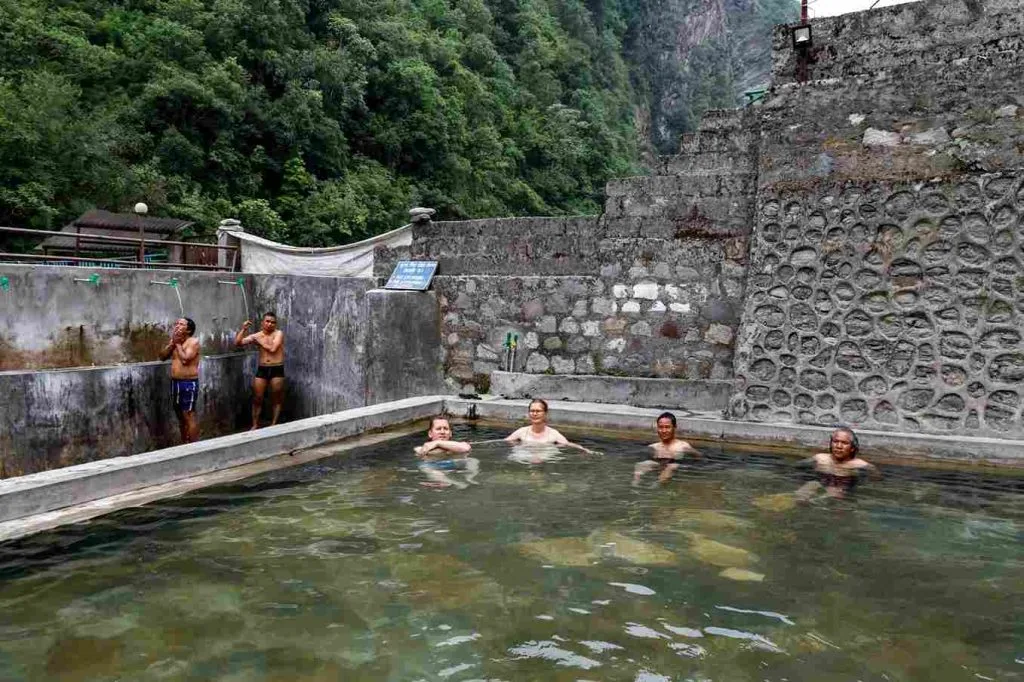
Continuing south, the trail passes through Kerauja and reaches Dovan, a peaceful settlement surrounded by lush forests and mountain rivers. Nearby natural hot springs offer a perfect place to relax tired muscles after several days of trekking.
Gurung Villages and Himalayan Culture
One of the highlights of the Hidden Himalayan Villages Trek is the transition from Tamang culture to Gurung culture as the trail approaches the lower slopes of the Manaslu region.
Trekkers visit the charming village of Laprak, one of the largest and most culturally significant Gurung settlements in the area. The village offers magnificent views of the Manaslu massif and provides a deep insight into traditional Gurung architecture, lifestyle, and hospitality.
From Laprak, the trek continues to Barpak, another historically important Gurung village. Barpak is famous not only for its cultural heritage but also for its role in Nepal’s history and its strong community traditions.
The Hidden Himalayan Villages Trek then gradually descends toward the historic hill town of Gorkha, once the royal capital of Nepal and the birthplace of King Prithvi Narayan Shah, the founder of modern Nepal.
Historical Heritage of Gorkha
A visit to Gorkha is an unforgettable cultural experience during the Hidden Himalayan Villages Trek. The ancient Gorkha Durbar palace stands proudly on a ridge overlooking the surrounding valleys. From here, travelers can learn about Nepal’s unification history and admire stunning views of the surrounding Himalayan foothills.
The trek also includes a visit to the legendary hill of Ligligkot, where the historic Liglig race once determined the king of Gorkha centuries ago.
Entering the Annapurna Foothills
After leaving Gorkha behind, the Hidden Himalayan Villages Trek gradually enters the fertile mid-hills of Lamjung district. The trail passes through charming towns such as Sundar Bazar and Gaun Sahar before reaching some of the most scenic Gurung villages in the Annapurna foothills and pilgrimage trails few have explored.
One of the most famous villages in this region is Ghalegaun, known for its award-winning community homestay program. Here visitors can enjoy traditional Gurung dances, local cuisine, and breathtaking sunset views of the Annapurna range.
From Ghalegaun, the trail continues through peaceful villages such as Gilung and Laxmi Bazar before reaching the scenic settlement of Sikles (Syklung), one of the largest Gurung villages in Nepal.
The Final Journey to Pokhara
The final days of the Hidden Himalayan Villages Trek lead through terraced hillsides and lush forests toward the beautiful lake city of Pokhara. This vibrant destination offers stunning views of the Annapurna and Machapuchare peaks rising dramatically above Phewa Lake. remote himalayan pilgrimage trails.
After more than three weeks of trekking through remote villages, high passes, and historical landscapes, arriving in Pokhara provides the perfect opportunity to relax and celebrate the completion of this incredible Himalayan journey.
Why Choose the Hidden Himalayan Villages Trek?
The Hidden Himalayan Villages Trek offers a unique combination of natural beauty, cultural immersion, and off-the-beaten-path adventure. Unlike many commercial trekking routes, this trek remains largely untouched by mass tourism.
Trekkers who choose the Hidden Himalayan Villages Trek experience:
• Authentic Tamang and Gurung culture • Traditional Himalayan homestay hospitality • Spectacular mountain views from multiple Himalayan ranges • Remote valleys rarely visited by trekkers • Historical landmarks and ancient hill capitals • Diverse landscapes from alpine passes to lush foothills
Because the Hidden Himalayan Villages Trek crosses several ecological zones and cultural regions, it offers one of the most diverse trekking experiences in Nepal.
The primary and most popular pass on the Ruby Valley Trek is Pangsang La Pass (also spelled Pangshang La or Pangsang Pass), located at an elevation of approximately 3850 meters. It offers panoramic views of the Ganesh Himal, Langtang, and Manaslu ranges
Outline Itinerary Of Hidden Himalayan Villages Trek
Day-01: Kathmandu to Syprubesi Day-02: Syprubesi -Ghatlang Day-03: Ghatlang – Somdang Day-04: Somdang- Pangsang Pass to Tipling (typical tamang village 200 house holding) Day-05: Tipling -Borang Day-06: Borang to Lapa khading Day-07: Lapa khading to yarsa kasigaun via Mangne goth pass Day-08: Kasi gaun to kerauja (best view point of manaslu and buddha himal) Day-09: Kerauja to Dovan Day-10: Dovan to uiea via hot spring (typical Gurung village)
Day-11: Uwia- Laprak village (the best and big cultural village) Day-12: Laprak to barpak Day-13: Barpak to Gorkha (old Capital) Day-14: Gorkha Liglig kot Day-15: Liglig kot to Alkatar Day-16: Alkatar Sundar bazar Day-17: Sundar bazar to Gaun sahar Day-18: Gaun sahar Ghalegaun Day-19: Ghalegaun to Gilung village Day-20: Gilung to Laxmi Bazar Day-21: Laxmi Bazar to Syklung Day-22: Syklung to Kalika Day-23: Kalika to Pokhara
Find the Detail Itinerary of Of Hidden Himalayan Villages Trek in this Package’s itinerary section or in a PDF attached in the right corner of this Package page.
Planning this trek? Our local experts can customize this itinerary based on your time and preferences. 👉 Ask a Question or Customize Your Trip
Where is the Hidden Himalayan Villages Trek located?
This trek is located in the remote regions of central Nepal, connecting areas like Ganesh Himal, Manaslu foothills, Gorkha, and the Annapurna region. It passes through traditional villages such as Gatlang, Laprak, Barpak, and Sikles, offering a unique off-the-beaten-path experience.
How difficult is the Hidden Himalayan Villages Trek?
The trek is considered moderate to challenging, as it involves daily walking of 5–7 hours with some steep ascents and descents. A reasonable level of fitness and prior trekking experience is recommended.
What is the maximum altitude of this trek?
The highest point of the trek is Pangsang Pass (3,842 m / 12,605 ft). Proper acclimatization is included in the itinerary, making it safe for most trekkers.
Do I need any special permits for this trek?
Yes, this trek requires: TIMS Card (Trekkers’ Information Management System) Langtang National Park Permit Manaslu Conservation Area Permit (MCAP) Annapurna Conservation Area Permit (ACAP) Some sections may also require local permits depending on the route.
What kind of accommodation is available during the trek?
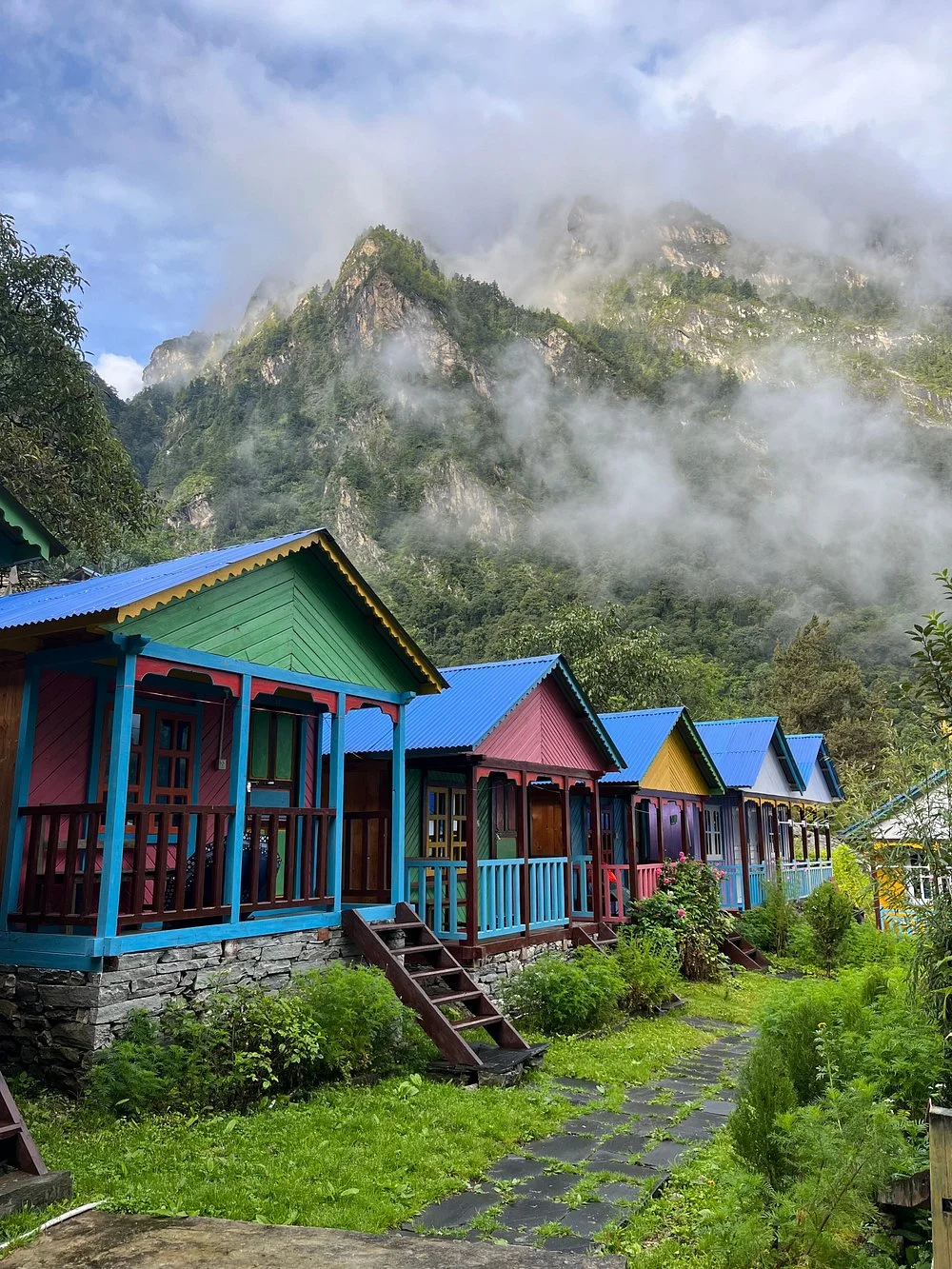
Accommodation is mainly in local tea houses and homestays, offering basic but comfortable rooms. This trek focuses more on authentic village experiences rather than luxury lodges.
What meals can I expect during the trek?
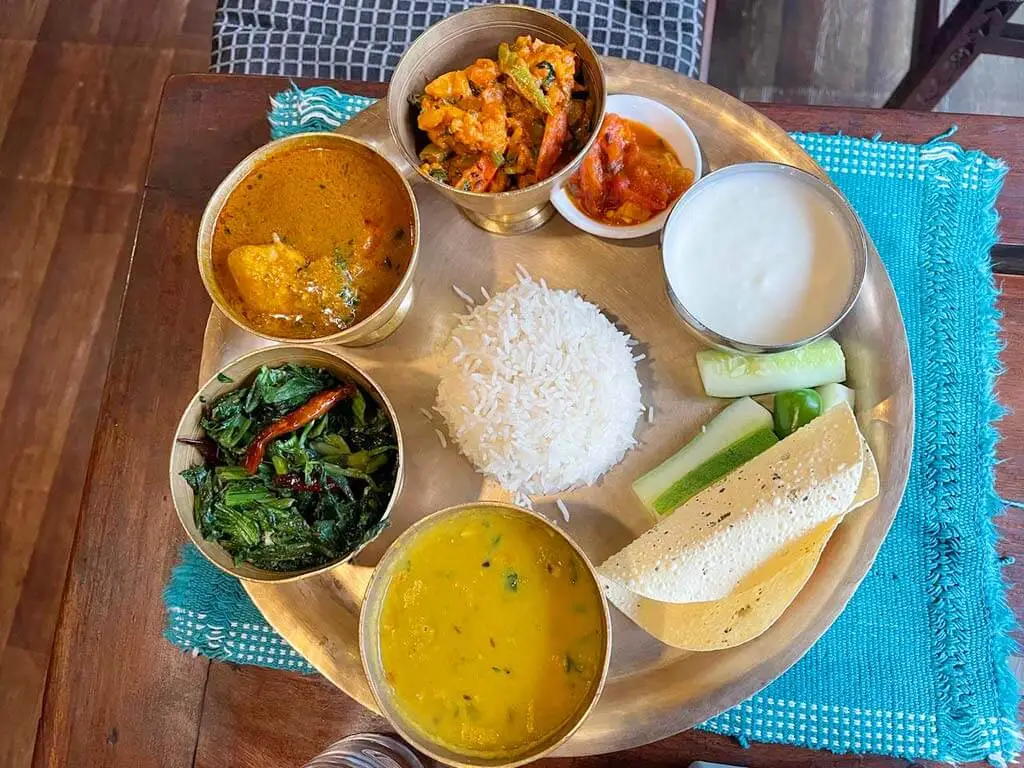
Meals are freshly prepared at local lodges, including Nepali and simple international dishes such as Dal Bhat, noodles, rice, vegetables, soups, and eggs.
When is the best time to do this trek?
The best seasons are: Spring (March–May) – blooming rhododendrons and clear views Autumn (September–November) – stable weather and best mountain visibility
Is this trek suitable for beginners?
This trek is not ideal for complete beginners. However, beginners with good fitness, determination, and proper guidance can complete it successfully.
What makes this trek different from other popular treks in Nepal?
Unlike busy routes like Everest or Annapurna, this trek offers: Fewer crowds Authentic village life Rich cultural interaction Diverse landscapes across multiple regions
Can the itinerary be customized?
Yes, the itinerary is fully customizable. It can be adjusted based on your time, fitness level, and preferences, including shorter or extended versions.
Enhance Your Journey with Related Treks & Experiences
Make the most of your time in Nepal by combining the Hidden Himalayan Villages Trek with other unique adventures. These carefully selected experiences perfectly complement your journey, offering deeper exploration of the Himalayas.
Manaslu Circuit Trek
Extend your adventure into one of Nepal’s most spectacular trekking routes. The Manaslu Circuit offers dramatic mountain scenery, high Himalayan passes, and authentic cultural experiences in remote villages. 👉This is Perfect combination for trekkers who want a longer and more challenging Himalayan journey.
Tsum Valley Trek
Discover the sacred and hidden valley of Tsum, known for its ancient monasteries, Tibetan-influenced culture, and peaceful trails. This trek can be combined before or after your village trek for a deeper cultural experience. 👉 this is ideal for travelers interested in spirituality and untouched Himalayan culture.
Budhi Gandaki River Rafting
Add an exciting rafting experience on the Budhi Gandaki River, one of Nepal’s most scenic and adventurous rivers flowing through deep gorges and remote landscapes. 👉 A perfect short adventure before or after your trek.
Pokhara Relaxation & Activities
After your trek, unwind in Pokhara with lakeside relaxation, short hikes, paragliding, or yoga retreats surrounded by stunning mountain views. 👉 Best way to relax and recover after a long trek. Overal This Hidden Himalayan Villages Trek involves Ruby Valley Trek Nepal, Pangsang La Pass Trek, Langtang to Manaslu Trek, Tamang Heritage Village Trek, Gurung Cultural Trek Nepal, Off the Beaten Path Trek Nepal, Nepal Homestay Trek, Ganesh Himal Cultural Trek, Syabrubesi to Pokhara Trek, Hidden Himalayan Villages Trek, Tamang Heritage Village Trek, Gurung Cultural Trek Nepal
Hidden Himalayan Villages Trek – 23 Days Itinerary
Expand AllCollapse
All
DAY-01
Kathmandu to Syabrubesi, 7-8 hrs Drive. (1,460m / 4,790ft)
After breakfast, drive from Kathmandu to Syabrubesi via Trishuli River and scenic hill landscapes. The road offers beautiful views of terraced fields, rivers, and distant Himalayan peaks. Overnight stay at Syabrubesi.
Begin trekking through terraced farmland and forests. Gradual ascent to Gatlang, a traditional Tamang village with stone houses and rich culture. Overnight stay at Gatlang.
Trek through forests and pasturelands with increasing mountain views. Reach Somdang, an old mining settlement with peaceful surroundings. Overnight stay.
Cross Pangsang Pass (3,842m) with stunning panoramic views, then descend to Tipling, a large Tamang village with over 200 households.
Traveler’s note: One of the most scenic days of the trek with panoramic views of Ganesh Himal and Langtang range. Weather can change quickly at the pass, so an early start is recommended.
Final short trek followed by drive to Pokhara. End of the trek.
Breakfast / Lunch3/4 Stars Hotel3-4 Hours Trek
Itinerary Note
Our standard itinerary is flexible and may change due to weather conditions, flight delays, or health considerations. We recommend arriving at least one day early for rest and preparation, and allowing extra buffer days for international travel. The itinerary is a guideline and can be customized based on your preferences, fitness level, and local conditions. If you have any questions or would like to adjust the plan, please feel free to Ask a Question or Customize Your Trip. ASK QUESTION or CUSTOMIZE YOUR TRIP.
Airport pick up and drop off by Car, jeep, Hiace or Bus: Depends on the number of arrives.
Kathmandu to Syprubesi (trekking starting point) transfer by Bus
Parpak To Gorkha (Old Capital Town) Optional Bus
Pokhara To Kathmandu by Tourist Bus.
Necessary Permits:
Langtang National Park Permit
Manaslu Conservation Area Permit (MCAP)
Manaslu Rural Municipalities local government Fee
Annapurna Conservation Area Permit (ACAP)
Trekkers Information Management System (TIMS)
Accommodations:
First two nights stay on arrival in Kathmandu Hotel (twin share basis) with Breakfast
All accommodation during trek Tea house/Guest house/Local Lodge
Meals:
Complimentary welcome or farewell dinner according to the suitability of our client’s time.
Three meals a day during the trek with cup of tea (one meal one time)
Supporting Staffs
Experienced, English-speaking, government-licensed, first aid trained trekking guide and assistant guide if the group size over 6 trekkers.
Strong and Expert local porter (2 trekkers: 1 porter)
Additional inclusions
Duffel bag, (to be returned after trip completion), complementary trekking maps. If needed down jacket and sleeping bag will be provided in rent.
Staff costs including their salary, insurance, equipment, transport, food and accommodation.
Basic First-aid kit (carried by your trekking guide)
All government and local taxes for Trekking, Agency service charge and government tax/vat.
Achievement Certificate
Note:For solo (Single) trekkers, porter service is optional and not included in the base price. It can be added upon request with an additional fee.
Cost Excludes
International airfare and Nepal visa fee.
Lunch and Dinner in Kathmandu
Extra night accommodation in Kathmandu because of early arrival, late departure, early return from mountain (due to any reason) than in the scheduled itinerary
Any types of drinks Hot, Cold, or Alcoholic rather then the normal drinking water.
Personal insurance which covers medical, emergency evacuation, loss or theft of property.
Personal gears and equipment.
Personal expenses such as laundry, hot showers, battery charging, Wifi, etc
Tips and gratitude provided to guide and porter.
No fixed departures for this trek yet. Contact us for a private trek.
Fixed Departure Note
Join our group trek with a fixed departure date, or choose your own date with our Private Trip option, which offers daily availability.
Fixed Departure Status:
Guaranteed: The trip will definitely run on this date. Available: The trip will run once the minimum group size is met. Limited: Only a few seats left—book soon! Closed: No seats left for this group. Please consider a private trip.
Useful Information for Hidden Himalayan Villages Trek In Nepal
Best Time to Trek
The best seasons for the Hidden Himalayan Villages Trek are spring (March to May) and autumn (September to November). During these months, the weather is stable, skies are clear, and mountain views are at their best. Winter is also possible but can be cold at higher elevations, while the monsoon season brings rain and slippery trails.
Accommodation
Accommodation during the trek is mainly in local tea houses and community homestays. Rooms are simple but comfortable, usually on a twin-sharing basis. This trek offers a more authentic village experience rather than luxury lodges.
Meals and Drinking Water
Meals are freshly prepared at local lodges, including traditional Nepali dishes like Dal Bhat, as well as simple international options such as noodles, rice, soups, and vegetables. Safe drinking water is available at lodges; we recommend carrying a reusable bottle and water purification tablets.
Required Physical Fitness
This is a moderate to challenging trek requiring good physical fitness. Trekkers should be comfortable walking 5–7 hours a day on varied terrain, including uphill and downhill sections. Prior hiking experience is helpful but not mandatory.
Altitude and Acclimatization
The highest point of the trek is Pangsang Pass (3,842 m / 12,605 ft). The itinerary is designed to allow gradual acclimatization, reducing the risk of altitude-related issues.
Guide and Porter
Hiring a professional guide is highly recommended for navigation, safety, and cultural insights. Porters are available to carry your main luggage, allowing you to enjoy the trek more comfortably.
Communication and Internet
Mobile network coverage is limited in remote areas. Some villages may offer basic Wi-Fi, but connections can be slow and unreliable. It’s best to be prepared for limited connectivity during the trek.
Electricity and Charging
Electricity is available in most villages, but charging facilities may be limited and sometimes require a small fee. Carrying a power bank is highly recommended.
Travel Insurance
Comprehensive travel insurance is strongly recommended. It should cover high-altitude trekking, medical emergencies, and helicopter evacuation if needed.
Flexibility and Itinerary Changes
The itinerary may be adjusted due to weather conditions, trail situations, or health considerations. Our team ensures all necessary arrangements to keep your journey safe and enjoyable.
You may like this
Similar trip on Region
You may also like to explore similar packages from same region...explore more trips



 Challenging Trek
 USD $1550 - 2045


