The Annapurna Base Camp Trek is moderate in difficulty, suitable for moderately fit trekkers. It involves gradual ascents, uneven trails, and occasional steep sections, requiring endurance, stamina, and some high altitude experience.
Starts
Kathmandu
Ends
Kathmandu / Pokhara
Group Size
1 Pax
Best Season
Mar-May, Sep-Nov
TRIP HIGHTLIGHTS
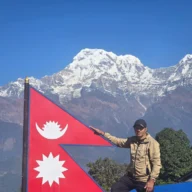
Enclosed by a ring of inspiring mountains, including Annapurna I at 8091m
The stepped pastures above Pokhara
Watch beautiful glaciers and waterfalls
Beautiful green forests, various wildlife, natural hot spring
Beautiful and traditional villages selected for meals and accommodation
Breathtaking mountain views along the trek
See a sunrise view from Poon Hill
Enjoy close-up views of Annapurna I, Annapurna South and Machapuchare mountains
Traverse a stretch of Annapurna Circuit, one of the world’s most famous trekking routes
TRIP OVERVIEW
Annapurna Base Camp Trek | Gateway to the Majestic Himalayas
The Annapurna Base camp trek (ABC) Trek is one of Nepal’s most popular and rewarding trekking experiences, offering a perfect mix of natural beauty, cultural immersion, and Himalayan adventure. The trek typically takes 7 to 14 days, depending on your pace and itinerary, and leads trekkers through lush rhododendron forests, terraced fields, and traditional Gurung and Magar villages, providing a unique glimpse into local Nepali life.
The journey gradually ascends to Annapurna Base Camp Trek at 4,130 meters, surrounded by towering peaks such as Annapurna I, Machapuchare (Fishtail), and Hiunchuli. The base camp itself offers breathtaking panoramic views of the Annapurna Massif, with snow capped peaks, glaciers, and rugged cliffs creating an unforgettable Himalayan landscape. Sunrise and sunset at ABC are especially spectacular, providing excellent opportunities for photography and reflection amidst the mountains.
Table of Contents
Along the trail, trekkers pass through charming tea houses and lodges, which offer comfortable accommodation and local cuisine, making the journey accessible to moderately fit trekkers. The route is well marked and supported, combining adventure with relative comfort, and allows climbers and trekkers to gradually acclimatize to the higher altitudes.
The trek is also a cultural journey, passing through villages where traditional customs, architecture, and hospitality provide insight into the lives of the Gurung and Magar communities. Trekkers have the chance to interact with locals, learn about their lifestyles, and enjoy authentic Nepali food along the way.
The Annapurna Base Camp Trek is ideal for those seeking a balanced Himalayan adventure, challenging yet achievable, scenic yet culturally enriching. Whether you are a first time trekker or an experienced hiker, the trek offers a sense of accomplishment, stunning vistas, and memories that last a lifetime. With its combination of natural beauty, cultural experiences, and majestic mountains, the Annapurna Base Camp Trek remains a must do adventure in Nepal.
Physical Fitness and Preparation for ABC Trek
The Annapurna Base Camp (ABC) Trek requires moderate physical fitness and preparation. Trekkers should be comfortable with walking 5 to 7 hours daily on uneven trails and handling gradual altitude gains up to 4,130 meters at the base camp.
Cardio exercises such as running, cycling, and swimming help build stamina, while strength training for legs, core, and back improves endurance on steep and rocky paths. Regular hiking or long walks with a backpack also prepares your body for the trek’s demands.
Proper preparation includes acclimatization planning, hydration, balanced nutrition, and mental readiness for high altitude conditions. With the right fitness and preparation, the ABC trek becomes safer, more enjoyable, and a truly rewarding Himalayan experience.
Best Season for Annapurna Base Camp Trek
The best time to trek to Annapurna Base Camp is during spring (March to May) and autumn (September to November). During these months, the weather is usually stable, the skies are clear, and the mountain views are at their best. Spring brings blooming rhododendrons and vibrant greenery along the trail, while autumn offers crisp air and stunning panoramic views of the Annapurna range.
Winter (December to February) can be very cold, especially at higher altitudes, and heavy snow may block some trails. Monsoon season (June to August) brings heavy rain, slippery paths, and the risk of landslides, making trekking more challenging. Planning your trek in spring or autumn ensures safer trails, comfortable temperatures, and the most beautiful scenery.
Required Gear and Equipment Checklist for Annapurna Base Camp Trek
Proper gear and equipment are essential for a safe and enjoyable Annapurna Base Camp Trek. Trekking in the Himalayas involves varying weather conditions, rugged trails, and high altitudes, so having the right clothing, footwear, and accessories is crucial. From layered clothing and sturdy boots to sleeping bags and hydration systems, each item plays a key role in keeping you comfortable, protected, and prepared throughout the journey. This checklist will help you plan effectively and ensure you have everything needed for a successful trek.
Technical Gear
Trekking Poles: Provide stability and support on steep and uneven trails.
Headlamp: Essential for early starts, late arrivals, or dark teahouse rooms.
Sunglasses: Protect eyes from strong UV rays at high altitude.
Water Purification System: Tablets or filter to ensure safe drinking water.
Walking Stick (Optional): Helpful for balance on rocky or slippery trails.
Footwear
Trekking Boots: Sturdy, comfortable boots with good grip for rocky and uneven trails.
Trekking Socks: Moisture wicking socks to prevent blisters and keep feet dry.
Gaiters (Optional): Keep dirt, mud, and snow out of your boots.
Lightweight Shoes (Optional): For relaxing in teahouses or lower-altitude walks.
Clothing & Insulation
Layered Clothing: Moisture wicking base layers, fleece or warm jackets, and a waterproof outer layer.
Down Jacket & Gloves: For cold mornings, evenings, and higher altitude sections.
Thermal Underwear & Socks: Maintain body warmth during chilly nights and early mornings.
Hat & Buff/Scarf: Protect from sun, wind, and cold.
Rain Jacket & Pants: Essential for unexpected rain or wet trails.
Camping & Essentials
Sleeping Bag: Rated for sub-zero temperatures, especially for teahouse or lodge nights at higher elevations.
Backpack (25–35L): For daily essentials such as water, snacks, and layers.
Camera & Binoculars: Capture stunning Himalayan views along the trail.
Power Bank & Chargers: Keep your devices charged during the trek.
Dry Bags/Plastic Covers: Protect your clothes and electronics from rain or moisture.
Safety & Health
First Aid Kit: Handle minor injuries and altitude related issues.
High Energy Snacks: Maintain energy levels during long trekking days.
Personal Medications: Bring any necessary prescriptions, plus pain relievers.
Sunscreen & Lip Balm: Protect skin from strong high altitude sun exposure.
Hand Sanitizer & Wet Wipes: Maintain hygiene in remote areas.
Water Bottle or Hydration System: Carry at least 2 liters per day to stay hydrated.
Miscellaneous Items
Maps & GPS Device (Optional): Help with navigation along the trekking route.
Trekking Permit & Documents: Required for entry into the Annapurna Conservation Area.
Entertainment (Optional): Headphones, music device, or books for downtime.
Notebook & Pen (Optional): For journaling or noting experiences.
Travel Insurance Documents: Important in case of emergencies.
Access and Transportation for the Annapurna Base Camp Trek
After completing the trek, return transportation follows the same route back to Pokhara. Many trekkers choose private vehicles for flexibility and comfort, while others opt for shared jeeps or buses to reduce costs. Once back in Pokhara, travelers can take a domestic flight to Kathmandu or continue their journey to other destinations in Nepal.
Planning transportation in advance ensures a smooth start and finish to the trek. It helps avoid delays, allows you to choose the most convenient and comfortable options, and ensures you have enough time to rest and prepare before or after your trek. Proper planning also lets you enjoy the scenic road journeys and appreciate the beauty of the Annapurna region even before the trek begins.
Lodging and Teahouse Experience on the Annapurna Base Camp Trek
The Annapurna Base Camp Trek offers a variety of accommodation options, primarily in teahouses and lodges along the trail. These teahouses provide basic yet comfortable lodging, including rooms with beds, blankets, and shared or private bathrooms in some locations. Staying in teahouses allows trekkers to rest, enjoy local meals, and interact with fellow travelers and local communities.
Most villages along the trail, such as Chhomrong, Bamboo, Deurali, and Annapurna Base Camp, have teahouses that serve Nepali, Tibetan, and continental dishes, including dal bhat, noodles, soups, and tea. Hot showers are sometimes available, usually for an extra fee, and electricity may be limited in more remote areas.
Accommodation quality improves at lower altitudes and becomes more basic at higher camps closer to Annapurna Base Camp, but teahouses provide warm hospitality, a cozy place to rest, and breathtaking views of the surrounding peaks. Staying in these lodges also supports local communities, as most are family run businesses that rely on trekking tourism.
Trekkers should book in advance during peak seasons (spring and autumn) to ensure availability, although most teahouses operate on a first come, first served basis. Carrying a sleeping bag is recommended, especially for higher altitude stays where bedding may be minimal.
Climbing Difficulty and Trekking Challenges
The Annapurna Base Camp Trek is not extremely hard, but it is not an easy walk either. It is a moderate trek that requires good fitness and a positive mindset. Most people can do it if they are prepared to walk for 5 to 7 hours a day through hills, forests, and mountain trails.
The journey slowly climbs up to 4,130 meters, so altitude can be a challenge for some trekkers. Taking it slow and drinking plenty of water helps a lot.
The path includes many stone steps, steep climbs, and downhill sections, especially around villages like Chhomrong and Deurali. These parts can be tiring, but the amazing views of the Annapurna range make it worth the effort. The weather in the Annapurna region can change quickly. A bright, sunny morning can turn into a rainy afternoon or a cold evening, so it is important to carry warm clothing and sturdy trekking shoes.
Even though the Annapurna Base Camp Trek can test your strength and patience, it is one of the most rewarding experiences in Nepal. Every challenge brings a sense of achievement, and the peaceful mountains, friendly locals, and beautiful landscapes make the hard parts feel small. With a little preparation and guidance from an experienced team, reaching Annapurna Base Camp becomes a truly unforgettable adventure.
Permits for Annapurna Base Camp Trek
For Annapurna Base Camp Trek, you need to obtain the required permits before starting your journey. The two main permits are the Annapurna Conservation Area Permit (ACAP) and the Trekkers’ Information Management System (TIMS) card.
ACAP Permit: This is issued by the Annapurna Conservation Area Project and allows you to enter the protected Annapurna region. It helps support environmental conservation and local communities along the trekking route.
TIMS Card: The Trekkers’ Information Management System (TIMS) card is mandatory for all trekkers in Nepal. It records your personal information and trekking itinerary and ensures safety by allowing authorities to track trekkers in remote areas.
Permits can be obtained in Kathmandu or Pokhara, and trekking agencies often assist in securing them, saving time and avoiding last minute complications. It is important to carry valid photo identification, such as a passport, when applying for permits.
By having the proper permits, trekkers not only comply with local regulations but also contribute to the conservation and sustainable development of the Annapurna region.
Safety Measures and Emergency Rescue
Safety is one of the most important aspects of trekking in the Annapurna region. Trekkers should always maintain a steady pace and avoid rushing, especially on steep or slippery trails. Staying well hydrated, eating balanced meals, and taking regular rest breaks are essential to keep energy levels stable throughout the trek.
Acclimatization is key to preventing altitude sickness. Trekkers should gradually ascend and include rest days in villages such as Chhomrong, Bamboo, or Deurali to allow the body to adjust to increasing altitudes. Early symptoms of altitude sickness, such as headaches, nausea, or dizziness, should never be ignored.
All trekkers are advised to carry a well equipped first aid kit including medications for headaches, stomach problems, minor injuries, and altitude sickness. Proper clothing and footwear are crucial to prevent cold related issues, slips, or injuries on wet or rocky trails. Trekking poles can also provide extra support on uneven terrain.
In case of emergencies, teahouses and local guides can provide immediate assistance and coordinate medical help if needed. Many trekking companies also arrange emergency rescue services, including helicopter evacuation for severe cases of altitude sickness or injury. Communication devices such as mobile phones, satellite phones, or walkie talkies are highly recommended, especially in remote sections where network coverage is limited.
By following safety guidelines, being aware of personal limits, and relying on experienced guides, trekkers can minimize risks and enjoy a safe, enjoyable, and unforgettable Annapurna Base Camp experience. Proper planning, preparation, and caution make a big difference in ensuring that the trek remains memorable for all the right reasons.
Group Trek vs Private Trek: Choosing the Right Annapurna Base Camp Trek Experience
When planning the Annapurna Base Camp Trek, you have two main options: joining a group trek or organizing a private trek. Each choice has its own advantages, considerations, and cost implications.
Group Trek:
Pros: Group treks are more social, allowing you to meet fellow trekkers and share experiences along the Annapurna Base Camp Trek. They are often more cost effective, as expenses for guides, porters, and transportation are shared. Many trekking agencies organize structured itineraries, making planning easier for first time trekkers.
Cons: You have less flexibility in terms of departure dates, pace, and accommodation choices. Group sizes can vary, and large groups may move slower or limit your privacy.
Private Trek:
Pros: A private trek offers full flexibility in your schedule, pace, and route. You can customize daily distances, accommodation preferences, and rest days according to your comfort. It is ideal for families, couples, or experienced trekkers seeking a personalized experience.
Cons: Private treks are generally more expensive, as all costs for guides, porters, and transportation are borne by your party alone.
Cost Considerations:
Group treks typically cost less per person due to shared expenses.
Private treks allow customization but may cost 2 to 3 times more than joining a group. The final price depends on the number of trekkers, level of services, and duration of the trek.
Choosing between a group or private trek depends on your budget, travel style, and comfort preferences. Both options provide access to the stunning landscapes of the Annapurna region, expert guide support, and a safe trekking experience.
Why to choose Manaslu Guides Nepal for the Annapurna Base Camp Trek
Choosing the right trekking company is crucial for a successful and enjoyable Annapurna Base Camp (ABC) trek. Manaslu Guides Nepal stands out as a reputable choice for several compelling reasons.
Expert Local Guides
Manaslu Guides Nepal employs experienced, licensed local guides who possess in depth knowledge of the Annapurna Base Camp trail and its surroundings. Their expertise ensures safe navigation through the diverse terrains and helps in effective acclimatization.
Tailored Itineraries
Understanding that each trekker has unique preferences, the company offers customizable itineraries. Whether you are looking for a leisurely pace or a more challenging schedule, they can adjust the plan to suit your needs.
Comprehensive Support
From arranging necessary permits to providing essential equipment like sleeping bags and jackets, Manaslu Guides Nepal takes care of all logistical aspects. This comprehensive support allows trekkers to focus solely on the journey.
Cultural Immersion
The company emphasizes cultural experiences, allowing trekkers to engage with local communities along the Annapurna Base Camp route. This approach enriches the trekking experience, offering insights into the traditions and lifestyles of the region.
Commitment to Safety
Safety is a top priority. The guides are trained to handle emergencies and are well versed in first aid and high altitude trekking protocols, ensuring a secure trekking experience.
For those seeking a blend of adventure, cultural immersion, and professional guidance, Manaslu Guides Nepal offers a well rounded and reliable option for the Annapurna Base Camp trek.
Itinerary
Expand AllCollapse
All
DAY 01
Arrival in Kathmandu (1,300m/4,264ft)
You will be warmly welcomed our guest on airport by our office representative and then you will transferred to hotel.
Breakfast2/3 Stars Hotel
DAY 02
Side seeing Day in Kathmandu(1360m)
Early morning breakfast.
Half day world heritage cultural tour.
A brief explanation of the further trek. (Afternoon trek briefing and trek gear distribution.)
Putting all the essential things in the bag.
Stay overnight at the hotel.
Breakfast / Lunch / Dinner2/3 Stars Hotel3-4 hrs walk
DAY 03
Kathmandu-Pokhara (920M)
Drive to Pokhara by Tourist Bus, Car or flight. Pokhara is located about 200 km west from Kathmandu and the tourist coach takes about 7 hours to get there. The drive mostly fallows along Trishuli River side enjoying the view of landscapes. At the Evening you may take short sightseeing around Pokhara city and Stay overnight.
Breakfast / Lunch / DinnerTea house / Lodge5-6 hrs walk
DAY 04
Pokhara to Nayapul and trek to Hile (1430m)
The next day, our actual trek will begin. We will drive from Pokhara to Nayapul. It takes around 2 hours. We will hike to Hile from there the view of beautiful villages, hills and mountains will be gratifying and refreshing. Trails leads up through the beautiful rice, maze and millet farms of locals. Fallowing the main trail of Birethanti passed small waterfall. The trail reaches Sudami where you have Lunch. After linch Hike to Hile will take around 3-4 hours. We will walk around the bank of the Modi river.On reaching there , we will have dinner and spend the night at a local guesthouse.
Breakfast / Lunch / DinnerTea house / Lodge4-5 hrs walk
DAY 05
Ulleri – Ghorepani (2800m)
The trail goes steep up for 1.5 hours through stone steps where the trail leads through cultivated fields.Arrive at the top of the Ghorepani pass and camp there. All together it take 6 hours .The trail winds up through oak and rhododendron forests and leads to Ghorepani, one of most popular destinations along the Annapurna route. A village in Myagdi District and located at an altitude of 2856m, Ghorepani is known for offering travellers breathtaking sceneries of the mountains.
Breakfast / Lunch / DinnerTea house / Lodge5-6 hrs walk
DAY 06
Ghorepani - Poon Hill – Tadapani (2540 m.)
Early morning wake up and start your journey climb to Poon Hill (3210m) around 1 hr. to provides best majestic scenery and sunrise over the high mountains. Lot of white mountain can be seen from poon Hill. After sunrise come down to Ghorepani to have breakfast and trek to After sun rise view continue trek to Tadapani( 2630m) for 5 hours” Over night
Breakfast / Lunch / DinnerTea house / Lodge 5-6 hrs walk
DAY 07
Tadapani – Chhomrong
Follow the trail along the Kimrong River to Chomrong (2020m). Enjoy amazing views of Annapurna South and Hiunchuli Peak as well as the majestic Machapuchare Mountain.
Breakfast / Lunch / DinnerTea house / Lodge 3-4 hrs walk
DAY 08
Chomrong - Dovan (5 - 6 hours)
The journey from Chomrong to Dovan comprises both uphill and downhill trails that travel through thick rhododendron forests and descend down steep stone steps at places.
Breakfast / Lunch / DinnerTea house / Lodge 8-9 hrs walk
Time to ascend to the highest point of the trek . Muster all your energy and start your journey to Annapurna Base Camp. Located at an altitude of 4131m above sea level, the base camp is the starting point for those out there to conquer the tenth highest mountain in the world that is also among the most dangerous.
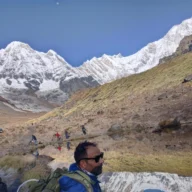
Be surrounded by the mighty Himalayas. Enjoy a spectacular view of mountains like Annapurna I (8091m), Annapurna South (7219m), Barah Shikhar (7800m) and Machapuchare.
Breakfast / Lunch / DinnerTea house / Lodge7-8 hours walk
DAY 11
Trek back to Bamboo (2,340M / 7,677FT) 6 hours Guest house
Enjoy our last morning in the high Himalayas before we follow the trail down to Bamboo. You can enjoy taking pictures and watching the sunrise over the Himalayas before having breakfast. We will follow the same trail to descend to Bamboo followed by a lunch stop in Deurali or Himalayan Hotel.
Breakfast / Lunch / DinnerTea house / Lodge7-8 hrs walk
DAYS 12
Trek to Jhinu (1,780M / 5,839FT)
The trail from Bamboo to Jhinu is same until Chhomrong as we followed on earlier day.Hike down to Chhomrong enjoying lovely views of Annapurna South and other mountains. Descend to Jhinu, where you can enjoy swimming / bathing in a hot spring.
Breakfast / Lunch / DinnerTea house / Lodge - 2/3 Stars Hotel
DAYS 13
Trek to Siwai (1,070M / 3,510FT), drive to Pokhara
Start your day early. Walk downhill and cross the Kimrong River once again. Continue your journey until you have reached Siwai, where you will find a bus or a jeep that will take you to Pokhara. This is one of the easy days among the whole trek. The trail from Jhinu to Siwai is mostly flat and we will be following the thundering Modi river throughout. It is a flat walk through rice paddies and green hills on the side. Enjoy the last evening in Pokhara before we start our journey back to Kathmandu on the next day.
Breakfast / Lunch / DinnerTea house / Lodge - 2/3 Stars Hotel
DAYS 14
Drive back to Kathmandu (1310M / 4,297FT)
We will follow the same highway through beautiful rivers, hills and small Nepalese settlements. The drive will take about 7 hours to drop us in Kathmandu. Form the tourist bus park you will be transferred to your hotel.
Breakfast / Lunch / DinnerTea house / Lodge - 2/3 Stars Hotel
Annapurna Base camp trek Itinerary Note
The itinerary provided is a tentative plan and may be altered, shortened, or extended due to weather conditions, natural disasters, political situations, health issues, or other circumstances beyond our control. Such changes are made to ensure the safety of our clients, and no compensation will be applicable for changes caused by force majeure events.
If you're not satisfied or have an alternative plan please feel free to discuss it with us By Clicking :-Ask QuestionORCustomize Your Trip.
Airport pick up and drop off by Car, jeep, Hiace or Bus: Depends on the number of arrives.
Kathmandu to Pokhara – Kathmandu By Tourist Bus
Pokhara Nayapul (trekking starting point) and from Trek ending point to Pokhara transfer by Shared Jeep.
Necessary Permits:
Trekkers Information Management System Permit (TIMS)
Annapurna Conservation Area Permit (ACAP)
Accommodations:
First two nights stay on arrival in Kathmandu Hotel (twin share basis) with Breakfast
Two Night hotel in Pokhara (Before and after the trek)
All accommodation during trek Tea house/Guest house/Local Lodge
Meals:
Complimentary welcome or farewell dinner according to the suitability of our client’s time.
Three meals a day during the trek with cup of tea (one meal one time)
Supporting Staffs
Experienced, English-speaking, government-licensed, first aid trained trekking guide and assistant guide if the group size over 8 trekkers.
Strong and Eexpert local porter (2 trekkers: 1 porter)
Additional inclusions
Duffel bag, (to be returned after trip completion), complementary trekking maps. If needed down jacket and sleeping bag will be provided in rent.
Staff costs including their salary, insurance, equipment, transport, food and accommodation.
Rescue arrangements if necessary.
Basic First-aid kit (carried by your trekking guide)
All government and local taxes for Trekking, Agency service charge and government tax/vat.
Achievement Certificate
Note:For solo trekkers, porter service is optional and not included in the base price. It can be added upon request with an additional fee.
Cost Excludes
International airfare and Nepal visa fee.
Lunch and Dinner in Kathmandu and in Pokhara
Extra night accommodation in Kathmandu because of early arrival, late departure, early return from mountain (due to any reason) than in the scheduled itinerary
Personal insurance which covers medical, emergency evacuation, loss or theft of property.
Personal gears and equipment.
Personal expenses such as laundry, hot showers, battery charging, Wifi, etc
Entry fees and costs in sightseeing (temples, monasteries, etc)
Tips and gratitude provided to guide and porter.
Fixed departure
Join Our Fixed Departure
Annapurna Base Camp Trek
Upcoming group dates for this trek. Join one, or look through past
trips to see who has walked it.
Join our group trek with a fixed departure date, or choose your own date with our Private Trip option, which offers daily availability.
Guaranteed: The trip will definitely run on this date. Available: The trip will run once the minimum group size is met. Limited: Only a few seats left—book soon! Closed: No seats left for this group. Please consider a private trip.
We can see the natural beauty of forests, rivers, and flora of the Annapurna region
We can see the friendly people and best culture of the region which includes in Nepalese and Tibetan ethnic groups.
Pass height point of Visit cultural world Heritage sites in city.
Incredible landscapes and breathtaking mountain views .
Hiking to the new trekking route .
Explore the local cultural and natural beauty .
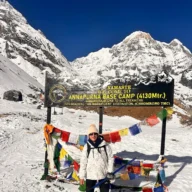
Annapurna Base Camp (4130 meters).
Visit cultural world Heritage sites in city.
Hiking to the new trekking route as well as.
CULTURE AND PEOPLE:
The Gurung, Magar, and Thakali populations are among the many ethnic groups that call the Annapurna Base Camp (ABC) region home. These communities have their own unique rituals, traditions, and ways of life, as well as a rich and distinctive cultural history.
The Gurung people, who make up the majority of the inhabitants of the ABC region, are renowned for their warmth and friendliness. They are incredibly proud of their heritage and have a long history of military customs. The iconic Ghantu dance, which is done at festivals and festivities, is just one of the traditional dances that the Gurung people are well-known for.
Another significant ethnic group in the area is the Magar, who have a long history in agriculture and animal husbandry. They follow their own distinctive traditions and rituals, such as the Magar wedding ceremony, which is characterized by feasting, dancing, and music.
A minority in the area, the Thakali people are renowned for their trade and economic prowess. Their traditional architecture, including their characteristic stone dwellings, may still be seen in some areas of the ABC region. They have a rich cultural legacy.
Accommodations and logistics
ACCOMODATION AND LOGISTICS:
From modest teahouses to opulent resorts, the Annapurna Base Camp (ABC) region offers a variety of lodging alternatives. Trekkers have the option to stay in teahouses, which are modest lodgings maintained by local families that provide straightforward rooms and meals while on the trail. Trekkers can fully immerse themselves in local culture and customs in the teahouses, which offer a distinctive and authentic trekking experience.
There are also upscale resorts in the area that provide cozy accommodations, hot showers, and delectable meals. For individuals who want more luxurious accommodations and are willing to pay more for them, these lodges are a wonderful choice.
Manaslu Guides can easily handle the ABC trek’s logistics. We are able to organize the required permissions, guide and porter services, transportation, and lodging. Additionally, experts can help trekkers get ready for their adventure by giving them useful information on the trek.
It is crucial to remember that the ABC trip is a difficult and remote journey, so it is advised to be well-equipped and have the right supplies. The region’s shifting weather patterns and the possibility of altitude sickness should also be considered by hikers.
FAQ's
Is guide and permit needed for ABC (Annapurna Base Camp)?
Yes, guide and permit are required during the trek to ABC (Annapurna Base Camp). There are two kind of permit required in order to trek to ABC. They are TIMs card and permit. We can get available these permits once the travelers book a package in our company. Regarding the guide, Guides know the different trekking trails. Not only that guides explain about community and cultures their lifestyles. The guide will book your accommodation and everything in advance even during high season. You will have good communication with local people with guides. On the other hand, you can also hire guides cum porter where guides carry your baggage and also do guiding as well.
Is it difficult to trek Annapurna Base Camp?
Trek to ABC is a challenging trek for all the travelers, Positive thoughts and physically fit body can get through this trek but no doubt the ups and downs, journey, mountains and culture of the Himalayas will make the travelers trek unforgettable and enjoyable.
What is the height of Annapurna Base Camp?
One of the 10th highest mountain of the world is Annapurna covering a height of 8091m. The base camp of Annapurna has height of 4130m. Trek to ABC (Annapurna Base Camp) is one of the most famous trek in the world.
How many days does it takes to trek to Annapurna Base Camp?
Generally, the trek depends on your interest and places that you want to do trekking. You can accommodate day hikes, cultural visits to local villages, and relaxing rest days on your trek. We have a package of days where trek covers all the parts of Annapurna including arrival day, sightseeing in Kathmandu, ABC (Annapurna Base Camp) trek and returning day.
Is Wi-Fi and battery charging service available there?
Yes the facility of Wi-Fi and battery charging is available in the upper region of the mountains but certain charge will be taken for using the service. The charge will be around Rs. 100 – 400.
What are the Equipment to be brought in this trek?
We have listed the equipment to be brought during the trek. Click on the highlighted equipment to find out what is required to trek on the mountain.
What types food will be available?
We’ll be serving traditional trekking food such as dal bhat (the Nepali national dish of rice, dal and vegetables), pasta, soups, potatoes, bread, fruits, eggs. We’ll try where possible to use fresh local goods. We’ll serve portions big enough to match your calorific needs. If you have special dietary requirements, please let us know.
What about altitude sickness during the Annapurna Base Camp trek?
Altitude sickness is also known as mountain sickness. Mountain sickness is the main problem for any mountain trekkers. Some time trekkers might have altitude sickness during Annapurna Base Camp trek There are different types of sickness like-
AMS – Acute Mountain sickness – AMS is a very common sickness like a hangover, dizziness, muscle ache, nausea, headache vomiting tec
HAPE – High Altitude Pulmonary Edema – HAPE direct impact on lungs it’s fluid in the lungs which are dangerous for breathing.
HACE- High Altitude Cerebral Edema – HACE it’s the different form of altitude sickness its fluid in the brains
Thus, HAPE and HACE are the main dangerous and life-threatening form of mountain sickness. Patient has to treat on time if not treated on time if late they may die. Whereas AMS is normal mountain sickness then HACE and HAPE.
What are the tips for avoiding altitude sickness in Annapurna Base Camp trek?
There are some tips to which our company would like to guide for the travelers to avoid altitude sickness; such as:
Avoiding the drinks which contains the caffeine added, smoking and alcohol
Travel slowly concerning your health
Drinking more amount of water i.e. minimum 3-4 liters per day
Being familiarized with the environment and having a healthy foods and beverage
Continuing with Diamox if needed, it is carried for the backup
We prefer Garlic soups to sustain the environment
Guide reviews
What travellers say about this trek
Real feedback from guests who completed this journey with our guides.
Hello. My name is Fumioki Hirano; I am an 80-year-old Japanese man. I am currently trekking the Annapurna Circuit, and today I am in the Manang Valley. I am trekking with the company "Touch The Himalaya," accompanied by my guide, Divash Bhatta. This is my ninth day on the trek, and I would like to share my experience with you. On the first day, October 7th, I arrived in Besisahar from Kathmandu by tourist bus and stayed overnight. From that very first day, Divash Bhatta has cared for me and shown me affection beyond words. To me, he is not merely a guide; he is a reliable driver and a trusted companion. Every day before we set out, he checks my blood pressure, blood sugar levels, oxygen saturation, and pulse rate; only then do we begin our journey. Furthermore, Divash prepares all the healthy meals I enjoy—breakfast, lunch, tea, and coffee. Divash Bhatta is more than just a trekking guide; he is like a trustworthy Nepali son to me. I am deeply touched by the way he looks after me and devotes himself to my well-being, just as a son would for his own father. The service, respect, affection, and kindness he shows to this elderly Japanese man sometimes bring tears of joy to my eyes. I constantly offer my heartfelt blessings to Divash my Nepali guide, my attendant, and a wise, good-hearted son—and pray for his bright future.
If you are planning a trek, hiring a guide like Divash would be a stroke of great fortune for you. He is not only a skilled trekking guide but also a wise careful man knowledgeable in many areas. I have been truly impressed by Divash’s work on this trek. I would like to express my gratitude once again to Mr. Divash Bhata.
I totally advise this agency for organising treks in the Manaslu region. They perfectly know this area and it helps a lot to adjust schedule regarding highlights to see, weather forecast and speedness that is the best for us. Also, one of their strongness is to perfectly follow the rules of high altitudes, to arrange nice acclimatization and be able to go over that high altitude pass. Particular thank you to our 2 guides Kedar and Tenzing for their kindness and professionnalism. And Madan for the organisation and his welcoming!
I
Had a great time on this treck to ABC … my guide Subba was extremely nice and helpful … he makes me always confortable and care and I felt like family … I just love this treck and good care with my guide. Subba speaks very well English and give a lot of explainaition about Nepal … top top
You may like this
Similar trip on Region
You may also like to explore similar packages from same region...explore more trips





 Moderate Trek
 USD $1245 - 1486


