The Kanchenjunga Base Camp Trek is challenging, requiring good fitness. It involves long trekking days of 5-8 hours on remote, steep trails, reaching high altitude at 5,143 meters.
Starts
Taplejung
Ends
Birtamod
Group Size
1 Pax
Best Season
March-May/Sept-Dec
TRIP HIGHLIGHTS
Explore glacial streams, crevasses, and mini icefalls beyond Yalung Glacier for up close views and alpine photography.
Discover hidden lakes near Lhonak and Amphu reflecting Kanchenjunga and surrounding peaks.
Spot rare wildlife like snow leopards, red pandas, Himalayan tahr, and musk deer in quieter trails.
Trek through oak, rhododendron, and bamboo forests alive with blood pheasants, monals, and Himalayan griffons.
Find waterfalls and natural pools above Ramche and Lhonak for rests and photography.
See seasonal rhododendrons, edelweiss, Himalayan blue poppies, and alpine herbs in secret meadows.
Observe high altitude yak pastures and herders’ lifestyles above 4,500 meters.
Discover offbeat ridges and meadows with dramatic sunrise and sunset views of Kanchenjunga.
Marvel at starry night skies with the Milky Way, constellations, and shooting stars.
Experience unique microclimates from warm river gorges to icy alpine ridges.
Witness rare sunrise reflections of Kanchenjunga in alpine ponds and streams.
TRIP OVERVIEW
Kanchenjunga Base Camp Trek : Trek to the Third Tallest Mountain’s Base Camp.
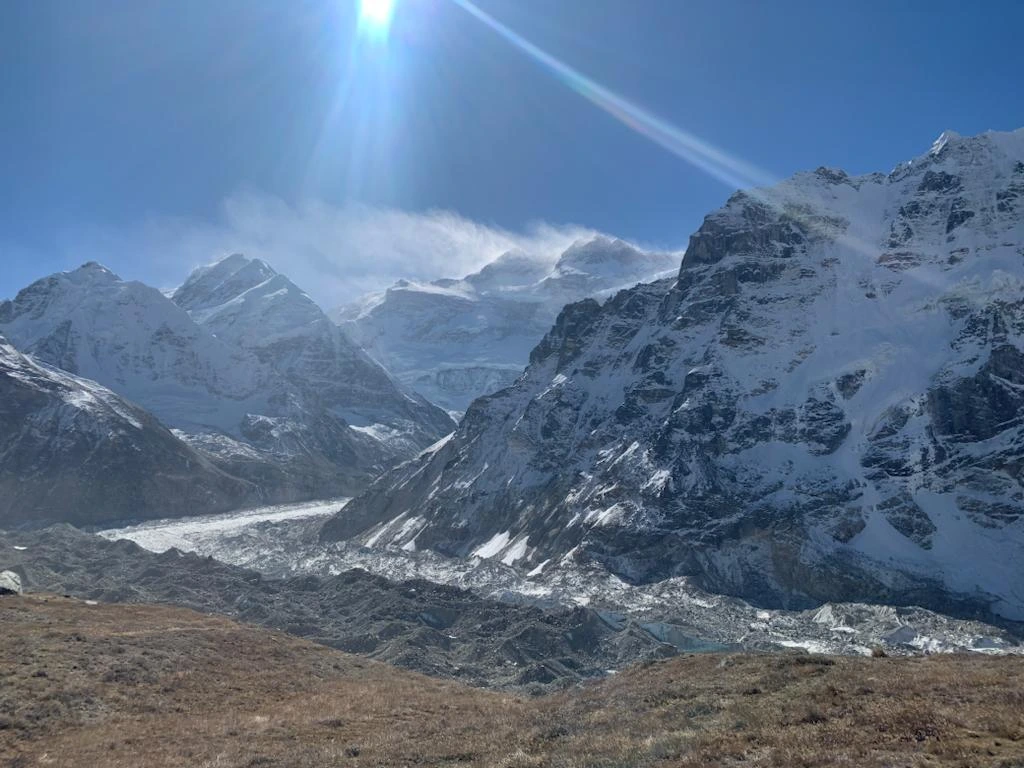
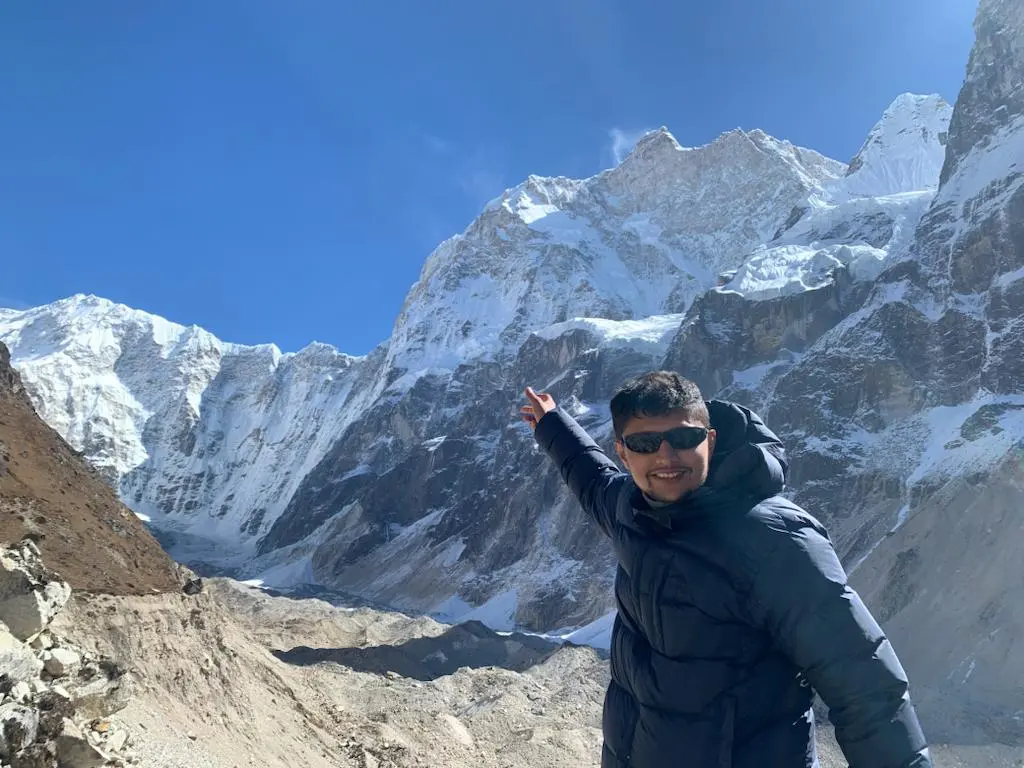
The Kanchenjunga Base Camp Trek is a truly special journey, taking you to one of the most remote and untouched corners of Nepal. Unlike more popular trekking routes, this trail offers solitude, pristine landscapes, and a chance to experience the Himalayas in their purest form. As you approach Kanchenjunga, the third highest mountain in the world at 8,586 meters, the views become absolutely breathtaking, with towering snow covered peaks, glaciers, and deep valleys surrounding you at every step.
The name Kanchenjunga comes from the Tibetan words “Kang,” meaning snow, “Chen,” meaning great, and “Dzonga,” meaning five treasures. It is often interpreted as “The Five Treasures of the Great Snow,” referring to the five highest peaks of the massif. These peaks are believed to hold sacred treasures such as gold, silver, gems, grain, and holy texts, symbolizing both the natural and spiritual wealth of the region. For centuries, local communities including the Limbu, Rai, and Sherpa people have revered the mountain as a guardian of their lands, and traditional beliefs hold that the five peaks are home to gods and spirits. Out of respect, the summit has rarely been fully climbed, emphasizing the mountain’s cultural and spiritual significance.
The trek passes through small, isolated villages where these communities continue their traditional lifestyles. Walking through terraced fields, dense rhododendron forests, and simple wooden settlements, trekkers can observe daily life, taste local foods, and experience cultural practices up close. Along the trail, sparkling rivers, waterfalls, serene alpine meadows, Kambachen, Yalung Glacier, and the Kanchenjunga Base Camp offer moments of awe-inspiring beauty. This trek is more than just an adventure; it is an encounter with the majestic grandeur, cultural richness, and spiritual presence of the eastern Himalayas.
You will find here:
Kanchenjunga Base Camp Trek – Outline Itinerary
This Kanchenjunga Base Camp Trek’s Outline Itinerary explores both North (Pangpema) and South Base Camps, passing through pristine forests, traditional Limbu and Sherpa villages, high alpine valleys, and dramatic mountain passes. Carefully designed with proper acclimatization days, the trek rewards you with breathtaking views of Kanchenjunga, Jannu, and surrounding peaks, making it an ideal choice for experienced trekkers seeking wilderness, culture, and high-altitude adventure in eastern Nepal.
Day 01: Arrival in Kathmandu Day 02: Trip briefing and trek preparation Day 03: Fly to Bhadrapur and drive to Taplejung Day 04: Drive from Taplejung to Sekathum Day 05: Trek from Sekathum to Amjilosa Day 06: Trek from Amjilosa to Gyabla Day 07: Trek from Gyabla to Ghunsa Day 08: Acclimatization day in Ghunsa Day 09: Trek from Ghunsa to Khambachen Day 10: Acclimatization day in Khambachen Day 11: Trek from Khambachen to Lhonak Day 12: Hike to Kanchenjunga North Base Camp (Pangpema) and return to Lhonak
Day 13: Exploration day around Pangpema area Day 14: Trek from Lhonak to Ghunsa Day 15: Trek from Ghunsa to Sele Le Camp Day 16: Trek to Cheram via Sinon La and Mirgin La Day 17: Day trip to Kanchenjunga South Base Camp Day 18: Trek from Cheram to Torongding Day 19: Trek from Torongding to Yamphuding Day 20: Trek from Yamphuding to Khebang Day 21: Drive from Khebang to Birtamod Day 22: Drive to Bhadrapur and fly back to Kathmandu Day 23: Final departure or optional extension
Kanchenjunga Base Camp Trek Cost
The Kanchenjunga Base Camp Trek cost generally ranges from USD 1,550 to 2,000 per person, depending on group size, trekking days, and service level. This price typically includes restricted-area permits, experienced local guides, porter support, accommodation, meals during the trek, transportation, and all essential logistics. As one of Nepal’s most remote and least-crowded trekking routes, this trek offers exceptional value for adventurers seeking an authentic Himalayan experience with professional support and transparent pricing.
Altitude and Climate on the Kanchenjunga Base Camp Trek
The Kanchenjunga Base Camp Trek starts at a relatively low elevation of around 1,200 to 1,500 meters in the eastern lowlands of Nepal, gradually ascending through terraced fields, forests, and small villages. As trekkers move deeper into the mountains, the trail climbs steadily, reaching high alpine areas and eventually the Kanchenjunga Base Camp at approximately 5,140 meters. Due to this significant altitude gain, proper acclimatization is essential to prevent altitude sickness. Trekkers are advised to take rest days at strategic points and follow a slow, steady pace while ascending.
The climate changes noticeably along the trek. At lower elevations, temperatures are mild during the day and cool at night, with lush green forests and occasional rainfall. Between 2,500 and 4,000 meters, the weather becomes cooler, and mornings are often crisp with clear skies offering panoramic views. Above 4,000 meters, the air becomes thin, temperatures drop sharply, and strong winds are common. Snow may appear at higher elevations, particularly in late autumn and winter.
Trek Difficulty and Fitness Level Required for Kanchenjunga Base Camp Trek
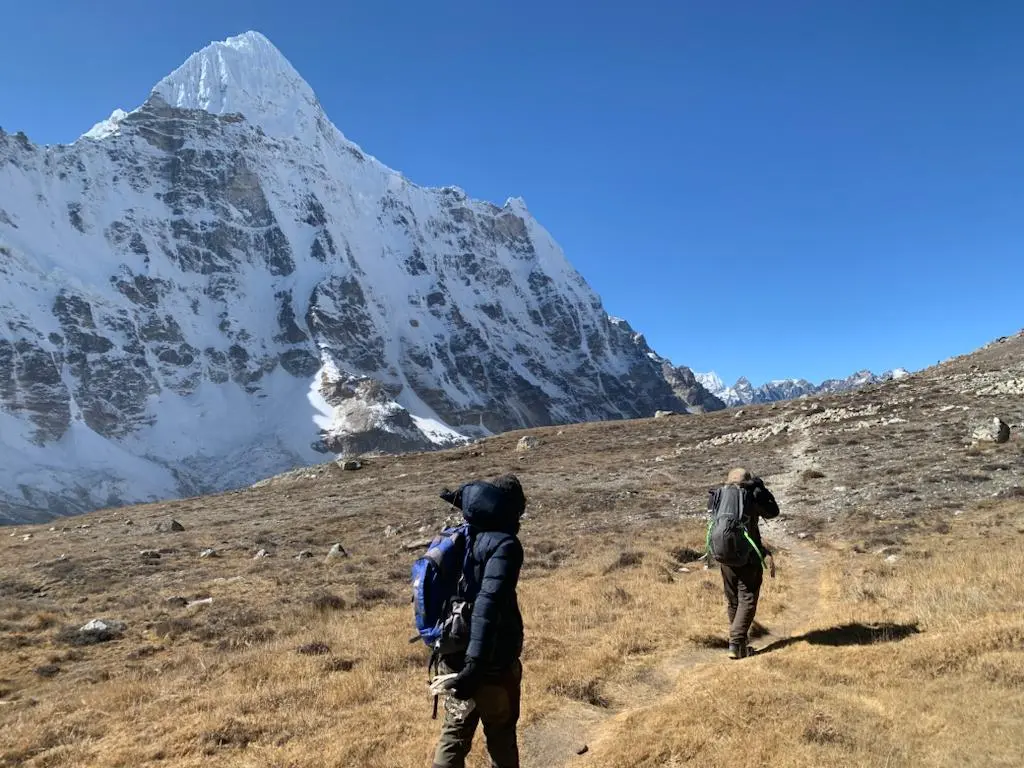
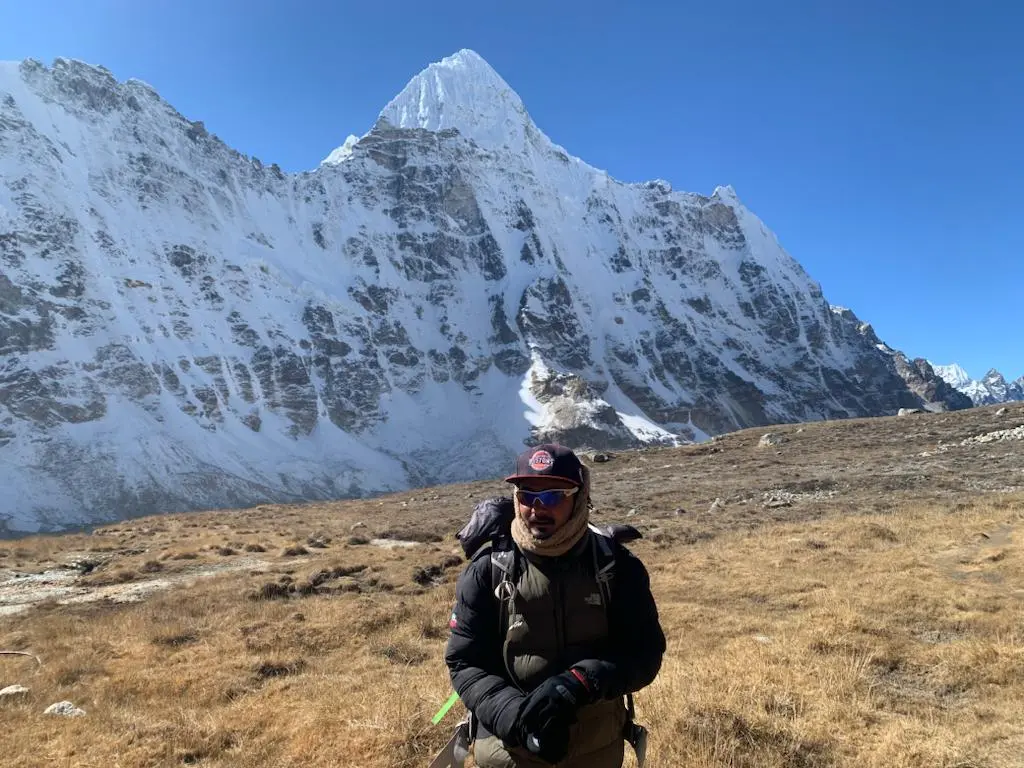
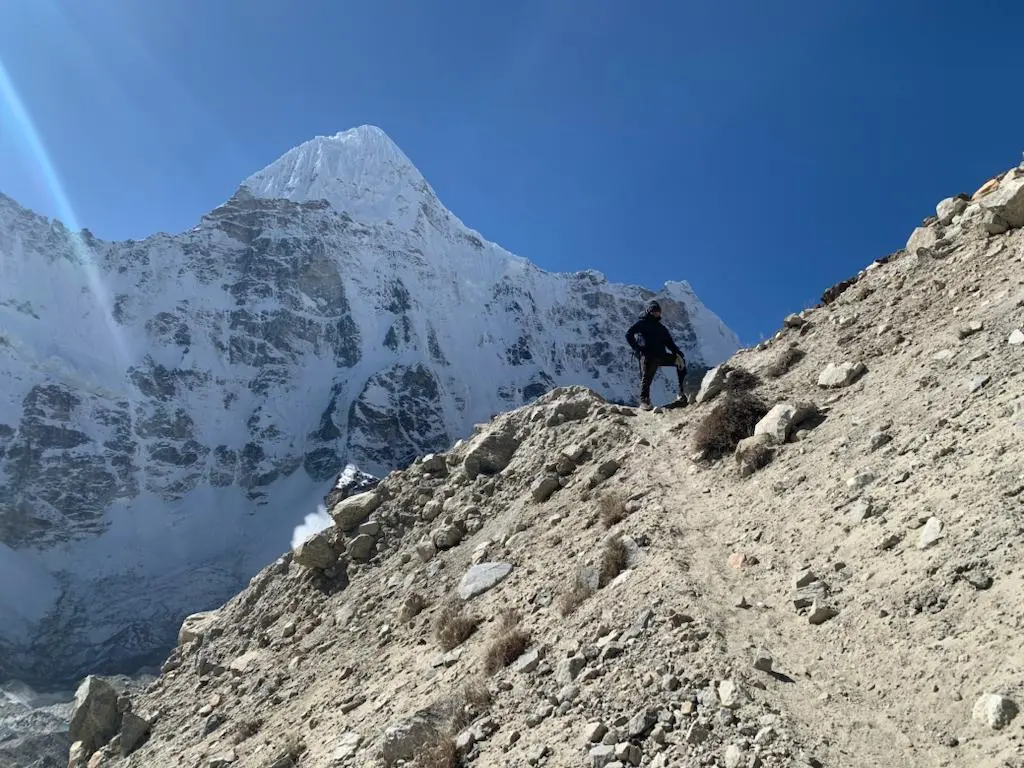
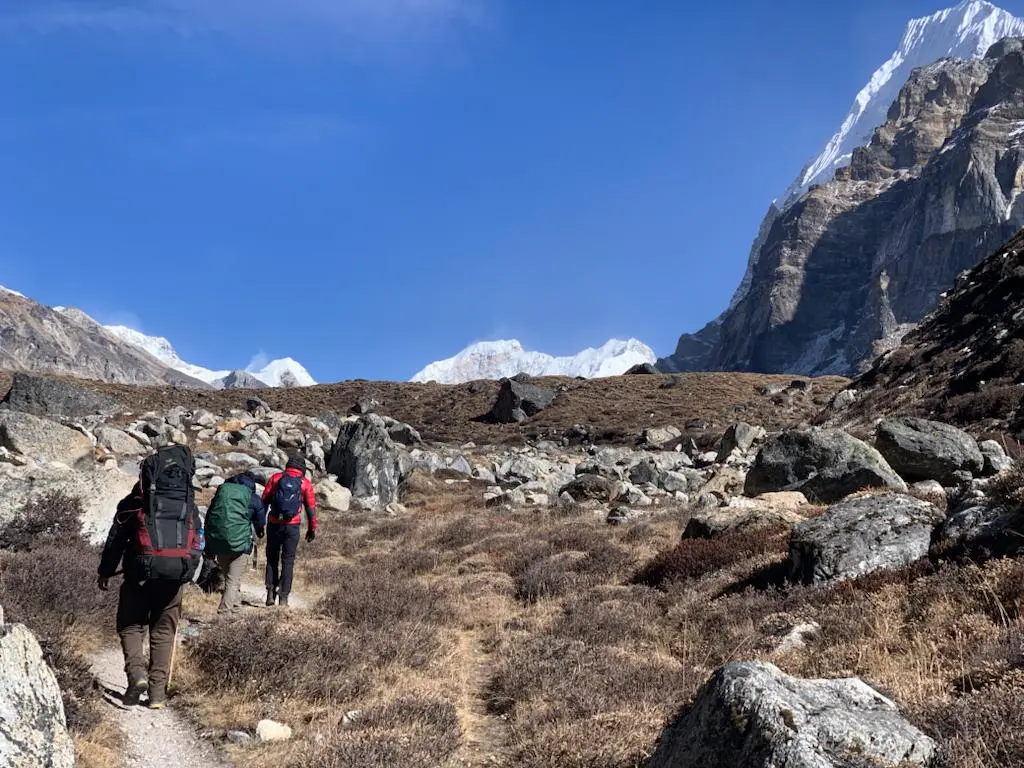
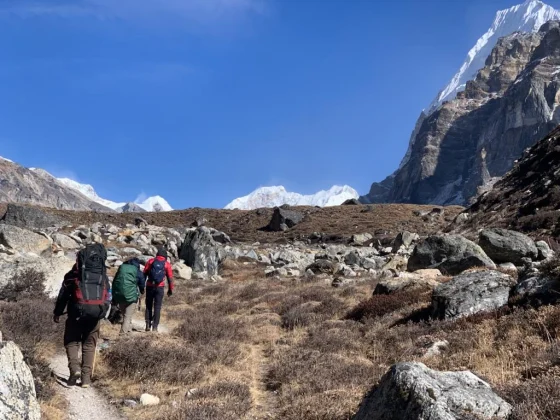
The Kanchenjunga Base Camp Trek is considered a challenging and adventurous journey, best suited for trekkers with good physical fitness and prior trekking experience. The trail is remote, rugged, and less traveled, so you will often encounter uneven paths, steep ascents, and rocky sections. Most days involve 5 to 8 hours of walking, though some stretches, especially near higher elevations, can take longer depending on weather and trail conditions.
Because of the significant altitude gain, from about 1,200 meters in the starting valleys to over 5,100 meters at the base camp, your body will need time to adjust. Proper acclimatization is essential, and rest days are built into the itinerary at key points. Trekkers should be comfortable with long hours of walking on varied terrain, including mud, loose rocks, and occasional snow at higher altitudes.
While technical climbing skills are not required, you do need stamina, balance, and mental preparation to handle the long days and sometimes unpredictable trail conditions.
Those who maintain a moderate level of fitness, practice hiking with a backpack, and pace themselves steadily will find the trek challenging but incredibly rewarding. The effort is more than worth it, as every step brings you closer to the spectacular views and serene beauty of Kanchenjunga.
When is the Best Time for Kanchenjunga Base Camp Trek
The Kanchenjunga Base Camp Trek is beautiful all year, but the experience changes a lot with the seasons, so choosing the best time to trek makes a big difference.
Spring (March to May) is magical. The forests and valleys along the trail are alive with vibrant rhododendron blooms, rivers flow steadily, and the air is crisp but not too cold. The skies are usually clear, giving you uninterrupted views of Kanchenjunga and its surrounding peaks. It’s perfect for photography and enjoying long days on the trail without harsh weather.
Summer (June to August) brings the monsoon. The mountains look lush and green, but frequent rains can make trails slippery and rivers rise quickly. While adventurous trekkers still do the trek, extra care is needed, and some sections may be more challenging than usual.
Autumn (September to November) is another ideal time. The weather is stable, the skies are clear, and the views of snow capped peaks are at their best. Daytime temperatures are comfortable, and nights are cool, making walking long stretches enjoyable.
Winter (December to February) is quiet and peaceful, but higher elevations can be cold and icy. Snow dusts the mountains, creating dramatic scenery, but trekkers need warm gear and caution on slippery trails.
Trail Conditions: Path, Steepness, and Safety
The trails along this route change constantly, keeping every day interesting. In the lower valleys, the paths are gentle dirt tracks winding through forests, terraced fields, and small villages. Walking here feels easy and pleasant, with occasional muddy patches after rain. It is a great way to start the trek while getting a feel for the rhythm of the mountains and the local villages.
Higher up, the terrain becomes rugged and more demanding. Steep climbs, rocky sections, and narrow paths appear, testing both balance and stamina. Wooden bridges span rushing rivers, and in some spots, you will find yourself carefully navigating fast flowing streams. During the monsoon season, rivers can rise quickly, and slippery rocks make these sections trickier, so caution is always needed.
Despite the challenges, the trails along the Kanchenjunga Base Camp Trek are generally safe for anyone walking steadily and paying attention. Trekking poles help on steep or uneven sections, and sturdy shoes are essential. The combination of forested trails, rushing rivers, and open alpine stretches makes every step rewarding. Each section of the trail feels alive, offering a mix of adventure, breathtaking scenery, and the satisfaction of slowly climbing toward the high mountains.
Accommodation Options Along the Kanchenjunga Base Camp Trek
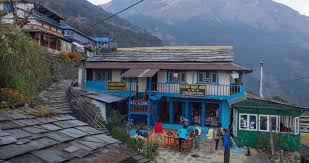
When you start trekking toward Kanchenjunga Base Camp Trek, you quickly notice that staying options are part of the adventure itself. In the lower villages, the tea houses feel warm and lived in, run by families who treat you like a guest in their own home. The rooms are simple, sometimes just a bed and a blanket, but after a day on the trail, that simplicity is perfect. You can sit outside, sip tea, watch the clouds drift over the mountains, and listen to the quiet life of the village around you.
As you go higher, things get a little rougher. Lodges shrink, heating is minimal, and bathrooms are basic. It is the kind of place where a hot shower is a luxury and a window with a view of snowy peaks is priceless. Some trekkers even carry tents to camp closer to the Kanchenjunga Base Camp. Waking up in the crisp, thin air, surrounded by silence except for the distant sound of snow shifting on the slopes, is unforgettable.
As you go higher, things get a little rougher. Lodges shrink, heating is minimal, and bathrooms are basic. It is the kind of place where a hot shower is a luxury and a window with a view of snowy peaks is priceless. Some trekkers even carry tents to camp closer to the Kanchenjunga Base Camp. Waking up in the crisp, thin air, surrounded by silence except for the distant sound of snow shifting on the slopes, is unforgettable.
What is amazing is that none of these places are fancy, but they do not need to be. They let you rest, refuel, and truly connect with the mountains. By the time you reach base camp, you realize that the Kanchenjunga Base Camp Trek is not just about the peaks, it is about the little spaces along the way that make the journey feel alive.
What Food and Drinks Are Available on the Kanchenjunga Base Camp Trek?
As you walk toward Kanchenjunga Base Camp, meals along the trail become an important and enjoyable part of the journey. The food is straightforward, warm, and made to keep you going in the mountains. Most teahouses offer local Nepali dishes such as dal bhat, vegetable curries, soups, and noodles. These meals are filling and provide the energy needed for long trekking days. In the morning, breakfast is usually simple, with porridge, eggs, or bread to start the day comfortably.
After hours of trekking, dinner feels especially rewarding. A hot plate of food in the evening helps you relax and recover while enjoying the calm of the mountains. Hot drinks are available almost everywhere, including tea, coffee, and sometimes traditional butter tea, which is popular in higher areas and helps keep the body warm.
Carrying a few personal snacks like nuts or energy bars is always useful, especially on longer sections between villages. Drinking water can be found at lodges, but in remote areas, you may depend on natural water sources, so purification is important.
Getting to Know Local Communities in the Kanchenunga Region
Beyond the mountain views and remote trails, the Kanchenjunga Base Camp Trek provides deep insight into the traditional life of eastern Nepal. The route passes through quiet villages mainly inhabited by Limbu, Rai, and Sherpa communities, where age-old customs, languages, and social traditions are still carefully preserved. In the lower valleys, Limbu and Rai settlements are closely connected to agriculture, and trekkers can observe terrace farming, livestock rearing, and simple village life shaped by the seasons. Traditional homes, local food habits, and warm hospitality reflect a strong sense of community.
As the trail gains altitude, the cultural atmosphere gradually shifts toward Tibetan Buddhist influence in Sherpa villages. Prayer flags flutter along mountain paths, while mani walls, chortens, and small monasteries highlight the spiritual importance of the region. Daily prayers, butter lamps, and religious rituals are part of everyday life and can be seen in homes and local gompas.
The Kanchenjunga Base Camp Trek may also coincide with important local festivals. Chasok Tangnam, celebrated by the Limbu community, marks the harvest season with rituals and communal gatherings. Sakela (Ubhauli and Udhauli) is an important Rai festival honoring nature and seasonal change through dance and music. In Sherpa areas, Losar and Dumji bring monastery ceremonies and traditional celebrations, enriching the trekking experience.
What to Pack for the Kanchenjunga Base Camp Trek
Trekking to Kanchenjunga Base Camp Trek involves varying weather, high altitudes, and long days on rugged trails. Being well prepared ensures comfort, safety, and an enjoyable experience. Layering clothing helps adapt to changing temperatures, while protecting yourself from wind, rain, and sun is crucial. Proper planning allows trekkers to carry essentials efficiently, stay organized, and focus on the journey rather than worrying about missing or inadequate equipment. Careful preparation also helps manage fatigue and makes the trek smoother, letting you fully enjoy the stunning landscapes and cultural experiences along the route.
Clothes to Pack
Moisture wicking base layers (top and bottom)
Insulating Layers (fleece jacket or light down jacket)
Heavy down jacket for higher altitudes
Waterproof and windproof jacket and pants
Trekking pants (quick-dry)
Thermal underwear
Warm socks and liner socks
Gloves or insulated mittens Woolen hat or beanie
Sun hat or cap
Neck gaiter or buff
Lightweight shirt for evenings
Extra underwear and socks
Rain poncho or pack cover
Important Personal Items
Sunscreen and lip balm with SPF
Personal toiletries and quick dry towel
Basic first-aid kit and personal medication
Hand sanitizer and wet wipes
Power bank and charging cables
Snacks and energy bars
Travel documents and copies
Lightweight lock for bags
Notebook and pen
Camera or smartphone for photos
Trekking map or GPS device
Plastic or dry bags for keeping clothes and electronics dry
Small multi tool or pocket knife
Gear You Will Need
Backpack (30-40 liters) for daily use
Duffel bag for porter (waterproof preferred)
Trekking poles
Sleepiing bag (rated for cold temperatures)
Headlamp with extra batteries
Sunglasses with UV protection
Water purification filter
Travel towel
Footwear for the Trail
Well-broken-in trekking boots with ankle support
Lightweight shoes or sandals for evenigns
Gaiters (useful in snow or muddy sections)
Camp slipers or flip-flops for teahouses
Kanchenjunga Base Camp Trek Safety and Precautions
Trekking in the Kanchenjunga region is an incredible adventure, but it comes with challenges due to high altitudes, remote trails, and unpredictable mountain weather. Staying safe should always be your top priority. Altitude sickness can affect anyone, so it is important ot give your body time to adjust. Drink plenty of water, take it slow, and do not push yourself too hard. Listen to your body.
If someone does feel unwell, first aid is available on-site, and oxygen is provided when necessary. In serious cases, evacuation to the nearest medical facility is possible using porters, jeeps, or even helicopters. Guides and porters are trained to help immediately with injuries, stabilize you, and arrange transport to safer locations or medical centers.
Permits and Regulations for the Kanchenjunga Base Camp Trek
When planning the Kanchenjunga Base Camp Trek, obtaining the proper permits is essential to ensure a smooth and legal journey. You will need a TIMS (Trekkers’ Information Management System) card, which is required for trekking in Nepal, and it can be obtained from the Nepal Tourism Board in Kathmandu or Pokhara. The Kanchenjunga Conservation Area Permit (KCAP) is also necessary, as the trek takes place within the protected Kanchenjunga region. This permit can be obtained from the District Forestry Office in Taplejung or the Nepal Tourism Board.
The Kanchenjunga Conservation Area is a protected region, so it is important to follow some basic rules. First, always stay on marked trekking routes to avoid disturbing the delicate ecosystem. Wildlife protection is taken seriously, so refrain from hunting or disturbing animals. Also, while the area is rich in cultural heritage, respect local customs and traditions, especially in villages inhabited by the Limbu and Rai communities. Do not litter along the trails, and make an effort to reduce your environmental impact. Carry out all your waste and avoid using plastic whenever possible.
Make sure to carry all your permits with you, as you may be checked by authorities along the way. It is a good idea to have a guide or porter who can assist with this process and help you navigate the regulations smoothly.
Emergency Evacuation and Health Care on the Kanchenjunga Base Camp Trek
The Kanchenjunga Base Camp Trek takes you into one of Nepal’s most remote Himalayan regions, where preparation and proper safety planning are essential. In case of injury or illness during the trek, the first step is to immediately inform your guide. Common issues such as minor injuries, fatigue, stomach problems, or mild altitude symptoms can often be managed with rest, basic first aid, and close monitoring.
Medical facilities along the Kanchenjunga trail are very limited. Only basic health posts are available in some lower villages, and there are no fully equipped hospitals in the high-altitude areas. For this reason, professional trekking agencies ensure that guides carry first-aid kits and have training in emergency response and altitude management.
In serious situations such as severe altitude sickness, major injury, or sudden illness, emergency evacuation becomes necessary. Depending on the location and weather conditions, evacuation may involve porter assistance to lower altitude or helicopter rescue from designated points. Clear communication, quick decision‑making, and proper travel insurance that covers high‑altitude trekking and helicopter evacuation are extremely important.
Solo vs. Group Trekking: Choosing the Right Experience
When planning the Kanchenjunga Base Camp Trek, trekkers often consider whether to trek solo or join a group. Each option offers a different experience, especially in such a remote and less-traveled region.
Solo trekking provides greater flexibility and a strong sense of personal adventure. Trekkers can walk at their own pace, spend more time in places they enjoy, and experience solitude in nature. However, Kanchenjunga is a challenging and isolated trek with limited facilities, unclear trails in some sections, and minimal access to medical help. Solo trekkers must carefully plan logistics, carry proper equipment, arrange permits, and be fully prepared for altitude, weather changes, and emergencies. Trekking solo is safest when done with at least a licensed guide or porter-guide.
Group trekking offers added safety, shared responsibility, and social connection. Trekking in a group allows members to support each other physically and mentally, especially at high altitude. Costs such as guides, porters, accommodation, and transportation are often more affordable when shared. Group treks are also better organized, with fixed itineraries, acclimatization days, and emergency plans already in place.
For those wishing to trek solo safely, hiring an experienced local guide and arranging logistics through a trusted agency is highly recommended. Group trekking options are available through established trekking companies such as Manaslu Guides Nepal, which organize well-planned group departures and private treks, ensuring safety, comfort, and a rewarding Himalayan experience.
Environmental Responsibility on the Kanchenjunga Base Camp Trek
Trekking in the pristine landscapes of the Kanchenjunga region comes with a responsibility to protect the environment. Every trekker can play a part in preserving the Himalayan ecosystem for future generations by following simple yet effective practices.
Minimizing your impact starts with basic habits: carry all trash back to villages or designated disposal areas, avoid using single-use plastics, and respect local wildlife and vegetation. Campfires should be limited to designated areas, and noise pollution kept to a minimum to maintain the tranquility of the mountains. Trekkers should also use eco-friendly products, such as biodegradable soaps and reusable water bottles.
Sustainable trekking practices are essential not only for environmental protection but also for supporting the local communities. Respect local customs, contribute to village economies by staying in teahouses or hiring local guides and porters, and avoid disturbing culturally sensitive areas.
By trekking responsibly, adventurers help preserve the unique biodiversity, natural beauty, and cultural heritage of the Kanchenjunga region. With guidance from experienced agencies like Manaslu Guides Nepal, trekkers can enjoy an eco-friendly journey while making a positive impact on both the environment and local communities.
Travel Insurance for the Kanchenjunga Base Camp Trek
Travel insurance is an essential part of preparing for the Kanchenjunga Base Camp trek. Trekking in remote high-altitude regions involves risks such as altitude sickness, injury, illness, or unexpected changes in weather and travel plans. Having comprehensive insurance ensures that you are protected financially and can receive timely medical care when needed.
The types of coverage recommended for this trek include medical expenses, emergency evacuation (including helicopter rescue), trip cancellation or interruption, lost or delayed luggage, and coverage for trekking at high altitudes. It is important to ensure your policy specifically covers high-altitude trekking and remote areas, as standard travel insurance may not include these scenarios.
While trekking with the support of Manaslu Guides Nepal adds a layer of safety, it cannot replace the protection offered by travel insurance. In case of accidents, sudden illness, or emergency evacuations, insurance provides the necessary support and resources. This ensures that trekkers can fully enjoy the breathtaking journey to Kanchenjunga Base Camp with peace of mind, knowing help is available if needed.
Top Himalayan Treks Similar to Kanchenjunga Base Camp Trek
The Everest Base Camp Trek in Nepal is one of the most iconic high-altitude treks, offering breathtaking views of Mount Everest, Nuptse, and Lhotse, while providing cultural exposure to Sherpa villages and monasteries along the way. Similarly, the Makalu Base Camp Trek, also in Nepal, is a less crowded alternative that showcases the fifth highest peak in the world, offering a remote and challenging experience rich in biodiversity. The Manaslu Circuit Trek is another Nepalese adventure, featuring a ring route around Mount Manaslu and crossing the Larkya La Pass at 5,106 meters, with scenic landscapes and traditional Tibetan-influenced villages.
Close to the Kanchenjunga region, the Goecha La Trek in Sikkim, India, leads trekkers to the Goecha La Pass at 4,940 meters, providing spectacular Kanchenjunga views along with alpine lakes, rich flora, and fauna. The Singalila Ridge Trek in West Bengal is known for its panoramic Himalayan vistas, including Kanchenjunga and Everest, and is famous for sunrise views at Sandakphu. In Nepal, the Annapurna Base Camp Trek offers a moderate-high altitude journey through rhododendron forests and traditional Gurung villages, ending at the scenic Annapurna Sanctuary. Finally, the Kangchenjunga North & South Trek is a longer, more adventurous trek exploring remote villages, glaciers, and high mountain passes, providing a deeply immersive Himalayan experience.
Itinerary
Expand AllCollapse
All
DAY 1
Arrival in Kathmandu
As soon as you land at Tribhuvan International Airport, our team will be there to welcome you and take you to your hotel. After some rest, you can take a short and easy walk around the neighborhood to get a first feel of Kathmandu’s lively streets. Overnight stay at the hotel.
Max. Altitude: 1,400 m / 4,593 ftBreakfast2/3 Stars Hotel
DAY 2
Kathmandu Sightseeing & Trek Preparation
Today is a relaxed day in Kathmandu. We visit famous UNESCO World Heritage Sites such as Kathmandu Durbar Square, Pashupatinath Temple, Swayambhunath (Monkey Temple), and Boudhanath Stupa. In the afternoon, you will meet your trekking guide and porters. We complete permit formalities and make final preparations for the trek. Overnight in Kathmandu.
Max. Altitude: 1,400 m / 4,593 ftBreakfast2/3 Stars Hotel
DAY 3
Fly to Bhadrapur & Drive to Taplejung
Early in the morning, we fly to Bhadrapur with beautiful mountain views, including Everest, Makalu, and Kanchenjunga on clear days. From there, we drive through tea gardens and changing landscapes to reach Taplejung. The journey is long but scenic, showing Nepal’s diverse climate and terrain. Overnight in Taplejung.
After breakfast, we continue by jeep along the Tamor River. Along the way, we cross suspension bridges and pass small villages with different local communities. By afternoon, we reach Sekathum. If time and energy allow, we may take a short walk to make the next day’s trek easier. Overnight in Sekathum.
Today we officially begin our trek. The trail crosses the Ghunsa Khola several times and passes through Jaubari. Suspension bridges, narrow paths, and steep sections make the walk exciting. We reach Amjilosa, where the restricted area of the Kanchenjunga region begins. Overnight in Amjilosa.
We walk through peaceful forests filled with oak and rhododendron trees, passing waterfalls and small settlements tucked into the valley. This area is rich in birdlife and wildlife. A gradual climb brings us to the village of Gyabla, where we stay overnight.
After breakfast, we walk steadily toward Phole, a beautiful Tibetan-style village. From there, the trail climbs to Ghunsa, the main village of the Kanchenjunga region. Surrounded by mountains and prayer flags, Ghunsa offers a warm and welcoming atmosphere. Overnight in Ghunsa.
We spend an extra day in Ghunsa to help our bodies adjust to the altitude. You can explore nearby viewpoints, monasteries, and the natural beauty of the Kanchenjunga Conservation Area. A slow and easy day ensures better health for the higher trek ahead.
Leaving Ghunsa, we follow the river through forests and open meadows filled with wildflowers. We cross Rampuk Kharka and carefully pass a landslide area. As we move higher, stunning views of Mt. Jannu begin to appear. Overnight in Khambachen.
Another rest and acclimatization day. Short hikes around Khambachen help the body adapt to altitude while offering incredible mountain views. This day is important for a safe and enjoyable journey ahead.
The trail today takes us across rocky paths and along the riverbank. We pass waterfalls and the historic Ramtang Monastery. With some luck, we may spot blue sheep or signs of the elusive snow leopard. We reach the remote settlement of Lhonak and rest overnight.
Hike to Kanchenjunga North Base Camp & Return to Lhonak
Today is one of the most special days of the trek. We hike to Pangpema and then continue to Kanchenjunga North Base Camp. Prayer flags flutter against a backdrop of towering snow-covered peaks. After spending time enjoying the views and celebrating the achievement, we return to Lhonak for the night.
This extra day allows us to further explore the glacier and surrounding viewpoints near Pangpema. It offers different angles of Mt. Kanchenjunga, Jannu Himal, and neighboring peaks. We return to Lhonak in the evening.
We retrace our steps, crossing moraines and rocky trails back to Khambachen for lunch. Continuing along the Tamor River, we reach Ghunsa once again. Overnight in Ghunsa.
Today’s trail climbs through forests and open ridges. From higher points, we enjoy wide views of Ghunsa and Phole villages. On clear days, the distant peak of Makalu can also be seen. Overnight at Sele Le Camp.
Breakfast / Lunch / DinnerGuesthouse / Lodge
DAY 16
Trek to Cheram via Sinon La & Mirgin La
An early start for a challenging but rewarding day. We cross Sinon La and Mirgin La passes, where breathtaking views of Everest, Makalu, and the Kanchenjunga range open up before us. After enjoying the views, we descend carefully to the village of Cheram for the night.
We trek to Ramche for lunch and then continue to Kanchenjunga South Base Camp, located beside the Yarlung Glacier. Prayer flags and dramatic mountain scenery make this place truly special. After spending time at the base camp, we return to Cheram for overnight.
Breakfast / Lunch / DinnerGuesthouse / Lodge
DAY 18
Trek from Cheram to Torongding
The trail descends through the Simbuwa Khola gorge, leaving the high alpine landscape behind. We walk through forests and a few steep sections before reaching Torongding. Overnight stay.
Today’s walk includes both uphill and downhill sections through dense forests. After crossing Lasiya Bhanjyang, we descend toward the large village of Yamphuding, where we stay overnight.
After completing the trek, we take a long but scenic drive back to Birtamod, traveling from rough roads to the main highway. Overnight in Birtamod.
Breakfast / Lunch / DinnerGuesthouse / Lodge
DAY 22
Drive to Bhadrapur & Fly Back to Kathmandu
We drive to Bhadrapur according to the flight schedule and take a short flight back to Kathmandu. In the evening, you can relax, enjoy good food, and reflect on the adventure. Overnight in Kathmandu.
Max. Altitude: 1,400 mBreakfast / Lunch2/3 Stars Hotel
DAY 23
Final Departure or Optional Extension
Depending on your plan, today you may depart Nepal or extend your stay with optional trips such as Pokhara, Chitwan National Park, river rafting, or paragliding. Transfer to the airport for your final departure if required.
Max. Altitude: 1,400 mBreakfast2/3 Stars Hotel
Itinerary Note
Our standard itinerary may vary due to unforeseen circumstances like flight delays, weather changes, or health concerns. We advise arriving a day early to rest and prepare, with extra buffer days for international flights. The itinerary serves as a guideline and can be adjusted based on client preferences, fitness levels, and ground realities. If you're not satisfied or have an alternative plan please feel free to discuss it with us By Clicking :- ASK QUESTION or CUSTOMIZE YOUR TRIP.
Airport pick up and drop off by Car, jeep, Hiace or Bus: Depends on the number of arrives.
Round-trip domestic flights between Kathmandu and Bhadrapur for both clients and trekking guide.
Ground transportation by jeep from Bhadrapur to Taplejung and from Khebang back to Bhadrapur.
Necessary Permits:
Kanchenjunga Restricted Area Permit (KRAP)
Kanchenjunga Conservation Area Permit (KCAP)
Kanchenjunga Rural Municipalities local government Fee
Trekkers information management system (TIMS Permit)
Accommodations:
First two nights stay on arrival in Kathmandu Hotel (twin share basis) with Breakfast
All accommodation during trek Tea house/Guest house/Local Lodge
Meals:
Complimentary welcome or farewell dinner according to the suitability of our client’s time.
Three meals a day during the trek with cup of tea (one meal one time)
Supporting Staffs
Experienced, English-speaking, government-licensed, first aid trained trekking guide
An assistant guide if the group size over 6 trekkers.
Strong and Expert local Porter (2 trekkers: 1 porter)
Additional inclusions
Duffel bag, (to be returned after trip completion), complementary trekking maps.
Down jacket and sleeping bag will be provided in rent, If needed
Staff costs including their salary, insurance, equipment, transport, food and accommodation.
Basic First-aid kit (carried by your trekking guide)
All government and local taxes for Trekking, Agency service charge and government tax/vat.
Achievement Certificate
Cost Excludes
International airfare to and from Nepal.
Nepal entry visa fees.
Lunch and dinner while staying in Kathmandu.
Additional hotel nights in Kathmandu due to early arrival, late departure, or early return from the trek for any reason.
Extra meals and accommodation beyond what is specified in the itinerary (can be arranged upon request).
Personal travel insurance covering medical expenses, emergency evacuation, trip cancellation, and loss or theft of belongings.
Personal trekking gear and equipment.
Personal expenses such as laundry services, hot showers, battery charging, Wi-Fi, snacks, and drinks.
Entrance fees during sightseeing in Kathmandu Valley (temples, monasteries, museums, etc.).
Tips and gratuities for guides, porters, and trekking staff (optional but appreciated).
No fixed departures for this trek yet. Contact us for a private trek.
Fixed Departure Note
Join our group trek with a fixed departure date, or choose your own date with our Private Trip option, which offers daily availability.
Fixed Departure Status:
Guaranteed: The trip will definitely run on this date.
Available: The trip will run once the minimum group size is met.
Limited: Only a few seats left—book soon!
Closed: No seats left for this group. Please consider a private trip.
The Kanchenjunga Base Camp Trek is challenging due to long walking days, high altitude, remote trails, and limited facilities. It is best for trekkers with good physical fitness and prior trekking experience.
What is the best time to do Kanchenjunga Base Camp Trek?
The best seasons for Kanchenjunga Base Camp Trek are spring (March-May) and autumn (September-November), when the weather is stable and mountain views are clear.
What is the maximum altitude of the Kanchenjunga Base Camp Trek?
The highest point of Kanchenjunga Base Camp Trek is Kanchenjunga North Base Camp at 5,143 meters, so proper acclimatization is essential.
Is a guide compulsory for Kanchenjunga Base Camp Trek?
Yes. Kanchenjunga is a restricted area, and trekking is only allowed with a government-licensed guide through a registered trekking agency.
What permits are required for Kanchenjunga Base Camp Trek?
For Kanchenjunga Base Camp Trek you need:
Kanchenjunga Conservation Area Permit (KCAP)
Restricted Area Permit
TIMS Card
These are arranged by the trekking company (Manaslu Guides Nepal)
What kind of accommodation is available during the Kanchenjunga Base Camp Trek?
Meals are freshly cooked and mainly include Nepali, Tibetan, and simple Western dishes during Kanchenjunga Base Camp Trek. Food options become more limited at higher elevations.
Is altitude sickness a concern for Kanchenjunga Base Camp Trek?
Yes. Because of the high altitude, there is a risk of altitude sickness. The itinerary includes acclimatization days, and guides are trained to monitor symptoms.
Is travel insurance required for Kanchenjunga Base Camp Trek?
Yes. Comprehensive travel insurance covering high-altitude trekking and emergency helicopter evacuation is mandatory for Kanchenjunga Base Camp Trek.
Are electricity and internet available during the Kanchenjunga Base Camp Trek?
Electricity and Wi-Fi are limited and unreliable along the Kanchenjunga Base Camp Trek. Charging devices may cost extra, so carrying a power bank is recommended.
How cold does it get during the Kanchenjunga Base Camp Trek?
Temperatures can drop below freezing at higher altitudes, especially at night. Warm clothing and a good sleeping bag are essential.
Can beginners do the Kanchenjunga Base Camp Trek?
Kanchenjunga Base Camp Trek is not recommended for beginners. Previous high-altitude trekking experience is strongly advised.
You may like this
Similar trip on Region
You may also like to explore similar packages from same region...explore more trips



 Moderate Trek
 USD $1245 - 1486


