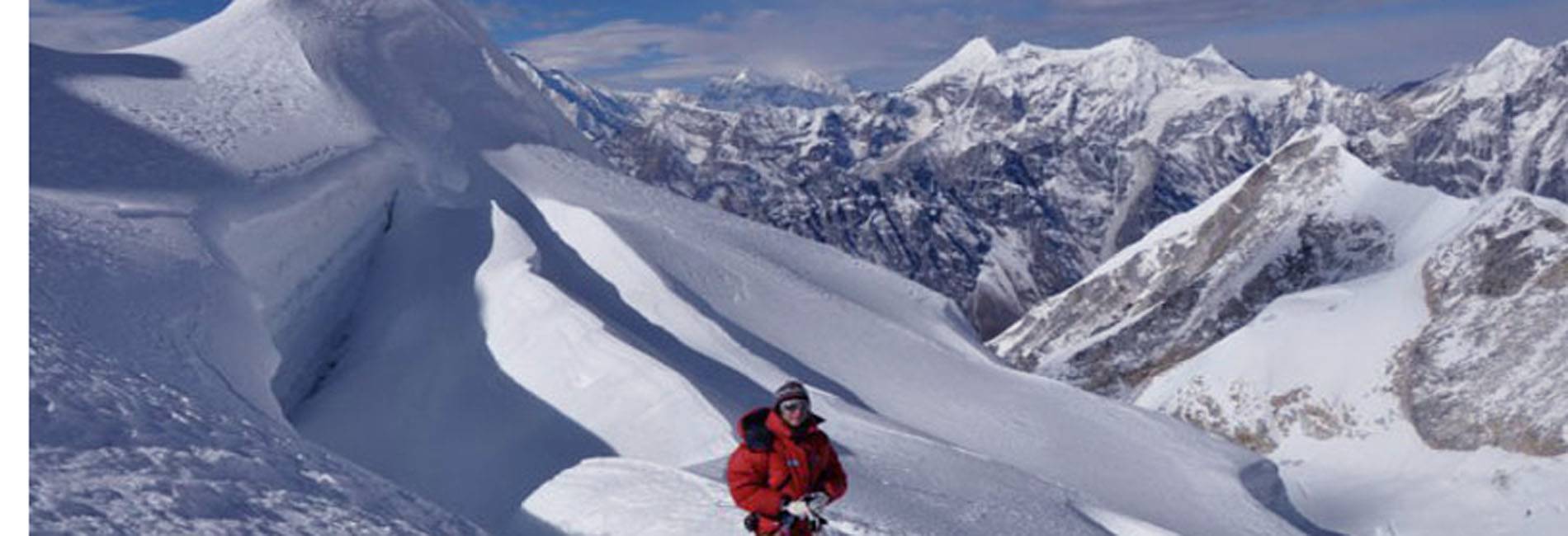
As of 2026, solo trekkers in Nepal can now obtain a Single Restricted Area Permit, simplifying the process for those seeking to explore remote regions independently. This new regulation aims to enhance accessibility while ensuring the preservation of cultural and natural resources. Trekkers are encouraged to familiarize themselves with specific guidelines and requirements associated with the permit to ensure compliance during their journey. This development marks a significant step in promoting sustainable tourism in Nepal.
Solo Restricted Area Permit Nepal | 2026 Rule Update
For years, the idea of trekking solo through Nepal’s most revered restricted regions felt like a distant dream, reserved for those willing to navigate a maze of group logistics and mandatory hires. That all changes in 2026. Nepal has officially revised its permit system to allow individual trekkers to obtain a single restricted area permit without the longstanding requirement to join a group or hire a licensed guide. This is not a rumor or a seasonal exception; it is a structural shift designed to welcome independent adventurers back to the high Himalaya with open arms.
Solo Trekkers Can Now Get a Single Restricted Area Permit in Nepal
What this means for you is simple: the legendary circuits of Upper Mustang, the raw passes of Manaslu, and the deep, windswept valleys of upper and lower Dolpo are now accessible on your own schedule. You no longer need to synchronize your pace with strangers or pay for services you do not want. The permit itself remains a single document, issued in your name, and it covers the same restricted zones as before, but the bureaucratic barrier of group size has been lifted. For the self-reliant trekker, this is the closest thing to a blank canvas the Himalayas have offered in decades.
Of course, independent does not mean unprepared. The terrain in these regions is serious, with altitude, weather, and remoteness demanding respect. You will still need to register your itinerary with the relevant authorities, and carrying a reliable communication device is strongly advised. But the freedom to stop for an extra hour at a monastery, to linger over a pass at sunset, or to adjust your rest days based on how your body feels is now entirely in your hands.
This update also signals a broader shift in Nepal’s trekking philosophy. The country is recognizing that solo travelers are not a liability but a valuable part of the adventure community, capable of managing risk with the right information and preparation. For those who have been dreaming of Upper Mustang’s walled city without a crowd, or the silent approach to Manaslu’s north face, the 2026 permit change is your invitation to move at your own rhythm.
Before you pack, take time to review the specific permit fees and seasonal restrictions for your chosen region, as these still vary. And remember, while the group requirement is gone, the mountains have not changed. They still demand your best judgment, your physical readiness, and your humility. But if you are ready to answer that call alone, Nepal is now ready to let you through the gate. The trail is open, the permit is yours, and the only footsteps ahead are the ones you choose to make.permit update solo trekkers allowed
Nepal has introduced a significant change to its trekking regulations. Solo trekkers can now obtain a Single Restricted Area Permit, making it easier than ever to explore some of Nepal’s most remote and culturally rich trekking regions. Solo Restricted Area Permit Nepal
This new policy opens exciting opportunities for independent travelers who have always dreamed of trekking through areas such as Manaslu, Tsum Valley, Upper Mustang, Dolpo, Nar Phu Valley, and other restricted regions. Solo Restricted Area Permit Nepal
Why Is This Important? restricted area permit update solo
Previously, trekkers visiting Nepal’s restricted areas were generally required to travel in a group to obtain a Restricted Area Permit. The new regulation now allows eligible solo trekkers to obtain a Single Restricted Area Permit, giving greater flexibility while maintaining safety and responsible tourism. Solo Restricted Area Permit Nepal
For years, the idea of trekking solo through Nepal’s most revered restricted regions felt like a distant dream, reserved for those willing to navigate a maze of group logistics and mandatory hires. That all changes in 2026. Nepal has officially revised its permit system to allow individual trekkers to obtain a single restricted area permit without the longstanding requirement to join a group or hire a licensed guide. This is not a rumor or a seasonal exception; it is a structural shift designed to welcome independent adventurers back to the high Himalaya with open arms.o Restricted Area Permit Nepal
Of course, independent does not mean unprepared. The terrain in these regions is serious, with altitude, weather, and remoteness demanding respect. You will still need to register your itinerary with the relevant authorities, and carrying a reliable communication device is strongly advised. But the freedom to stop for an extra hour at a monastery, to linger over a pass at sunset, or to adjust your rest days based on how your body feels is now entirely in your hands. Solo Restricted Area Permit Nepal Solo Restricted Area Permit Nepal
This update also signals a broader shift in Nepal’s trekking philosophy. The country is recognizing that solo travelers are not a liability but a valuable part of the adventure community, capable of managing risk with the right information and preparation. For those who have been dreaming of Upper Mustang’s walled city without a crowd, or the silent approach to Manaslu’s north face, the 2026 permit change is your invitation to move at your own rhythm. Solo Restricted Area Permit Nepal Solo Restricted Area Permit Nepal
Which Trekking Regions Are Covered? area permit update solo trekkers
Some of Nepal’s most famous restricted areas include:
- Manaslu Circuit Trek
- Tsum Valley Trek
- Nar Phu Valley Trek
- Upper Mustang Trek
- Upper Dolpo Trek
- Kanchenjunga Restricted Areas
- Makalu Region
- Humla & Limi Valley
- Other government-designated restricted regions
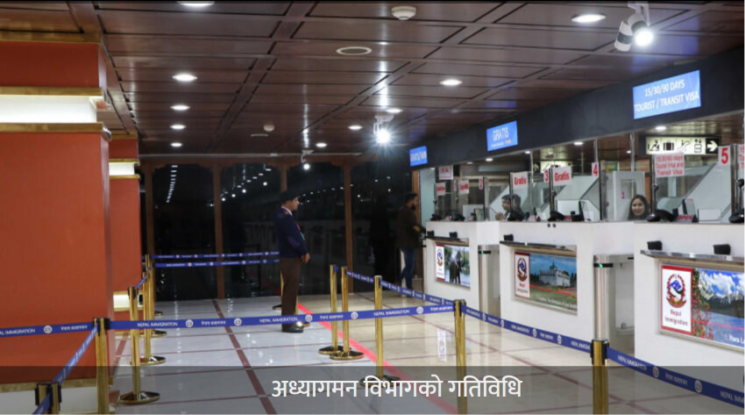
Before you pack, take time to review the specific permit fees and seasonal restrictions for your chosen region, as these still vary. And remember, while the group requirement is gone, the mountains have not changed. They still demand your best judgment, your physical readiness, and your humility. But if you are ready to answer that call alone, Nepal is now ready to let you through the gate. The trail is open, the permit is yours, and the only footsteps ahead are the ones you choose to make. Solo Restricted Area Permit Nepal Solo Restricted Area Permit Nepal
Do I Still Need a Guide? permit requirements and cost
Although solo trekkers can now obtain a Single Restricted Area Permit, hiring a licensed local guide is still one of the best decisions you can make for a safe, enjoyable, and meaningful trekking experience. Solo Restricted Area Permit Nepal
Nepal’s restricted areas are remote Himalayan regions where weather conditions, trail conditions, and local circumstances can change quickly. A knowledgeable guide not only improves your safety but also helps you experience the mountains in a much deeper way. Solo Restricted Area Permit Nepal
Expert Navigation
Many sections of restricted-area trails pass through remote villages, forests, river valleys, and high mountain passes where signposts may be limited. An experienced guide knows the route well and can safely lead you, even if weather or trail conditions change.
High-Altitude Safety
Altitude affects every trekker differently, regardless of fitness level. Your guide will monitor your health throughout the trek, recognize the early signs of Acute Mountain Sickness (AMS), recommend proper acclimatization, and make informed decisions if any changes to the itinerary become necessary.
Emergency Assistance
In the unlikely event of illness, injury, or severe weather, your guide knows how to respond quickly. They can coordinate emergency evacuation, communicate with local authorities, arrange helicopter rescue if required, and ensure you receive the appropriate assistance as efficiently as possible.
Cultural Interpretation
The Manaslu, Tsum Valley, Nar Phu, and other restricted regions are home to centuries-old Buddhist traditions, ancient monasteries, prayer wheels, mani walls, and unique local customs. Your guide brings these places to life by sharing their history, traditions, festivals, and everyday way of life—turning a beautiful walk into a rich cultural experience. Solo Restricted Area Permit Nepal Solo Restricted Area Permit Nepal Solo Restricted Area Permit Nepal
Local Knowledge and Community Connection
A local guide has strong relationships with teahouse owners, monks, and villagers throughout the region. This often leads to warm local interactions, authentic experiences, and valuable insights that independent trekkers would rarely discover on their own.
A More Enjoyable Trek
Instead of worrying about navigation, accommodation, permits, or logistics, you can simply focus on enjoying the mountains, taking photographs, meeting local people, and fully immersing yourself in the journey.
Why Trek with Manaslu Guides Nepal?
At Manaslu Guides Nepal, our guides are born and raised in the Manaslu region. These mountains are not just where they work they are their home. Their local knowledge, experience, and genuine connection with the communities make your trek safer, smoother, and far more authentic than simply following a trail on your own.
Nepal’s new Single Restricted Area Permit is excellent news for adventure travelers. It offers greater flexibility while preserving the unique culture and environment of Nepal’s remote Himalayan regions.
If you’ve always dreamed of trekking the Manaslu Circuit, Tsum Valley, Upper Mustang, or other restricted areas on your own schedule, there’s never been a better time. Solo Restricted Area Permit Nepal Solo Restricted Area Permit Nepal
Our local team is here to help you plan a safe, authentic, and unforgettable Himalayan adventure.
Frequently Asked Questions
Can solo trekkers now obtain a Restricted Area Permit in Nepal?
Yes. Under Nepal’s latest trekking regulations, eligible solo trekkers can now apply for a Single Restricted Area Permit for designated restricted trekking regions, subject to the current government rules and permit requirements.
Which trekking regions require a Restricted Area Permit?
Some of Nepal’s restricted trekking regions include Manaslu, Tsum Valley, Upper Mustang, Nar Phu Valley, Upper Dolpo, Lower Dolpo, Kanchenjunga, Humla, Limi Valley, and other government-designated areas.
Do I still need a licensed guide if I trek solo?
Although solo permits are now available, hiring a licensed local guide is highly recommended for your safety, navigation, cultural experience, and emergency support, especially in remote mountain regions.
Can I apply for a Restricted Area Permit by myself?
No. Restricted Area Permits must be processed through a government-registered trekking agency in Nepal. Individual applications are generally not accepted.
What documents are required to obtain a Restricted Area Permit?
Normally you will need:
A valid passport
Nepal visa
Passport-size photographs
Travel itinerary
Travel insurance (recommended or required depending on the trek)
How long does it take to process a Restricted Area Permit?
Permit processing usually takes 1–2 working days, depending on the trekking region and government office schedule.
Is travel insurance required for restricted area trekking?
Yes. Comprehensive travel insurance that covers high-altitude trekking and emergency helicopter evacuation is strongly recommended and may be required for certain trekking regions.
Can I hire only a guide without a porter?
Yes. Many solo trekkers choose to carry their own backpack and hire only a licensed guide. Hiring a porter is completely optional.
Is it safe to trek alone in Nepal’s restricted areas?
With proper preparation, a licensed guide, and a well-planned itinerary, restricted area trekking is generally very safe. However, weather, altitude, and the remoteness of these regions make careful planning essential.
Which restricted area trek is best for solo trekkers?
The Manaslu Circuit, Tsum Valley, Nar Phu Valley, and Upper Mustang are among the most popular choices, each offering unique scenery, culture, and adventure.
Can I customize my trekking itinerary?
Can I customize my trekking itinerary?
Yes. Most local trekking companies can customize your itinerary based on your fitness level, interests, acclimatization needs, and preferred trekking pace.
What is the best season for restricted area trekking in Nepal?
The best seasons are spring (March–May) and autumn (September–November), when weather conditions are generally stable and mountain views are at their best.
Are teahouses available in restricted trekking regions?
Yes. Most popular restricted trekking routes, including the Manaslu Circuit and Tsum Valley, have comfortable family-run teahouses offering meals and accommodation.
Why should I book with a local trekking company?
Local companies provide experienced regional guides, authentic cultural experiences, fair employment for local communities, and expert knowledge of the trekking routes and permit process.
How can Manaslu Guides Nepal help with my solo trek?
Manaslu Guides Nepal arranges all necessary permits, experienced local guides, transportation, accommodation, trekking logistics, and customized itineraries, ensuring a safe and authentic Himalayan adventure.
Does the new solo permit rule apply to all restricted trekking regions in Nepal?
The new regulation applies only to the restricted areas specified by the Nepal Government. Permit requirements and conditions may vary by region, so it is always best to check the latest regulations with a registered trekking agency before planning your trip.